No. II
The Cutty Sark
1:25 and 1:84 · British tea clipper, launched 1869
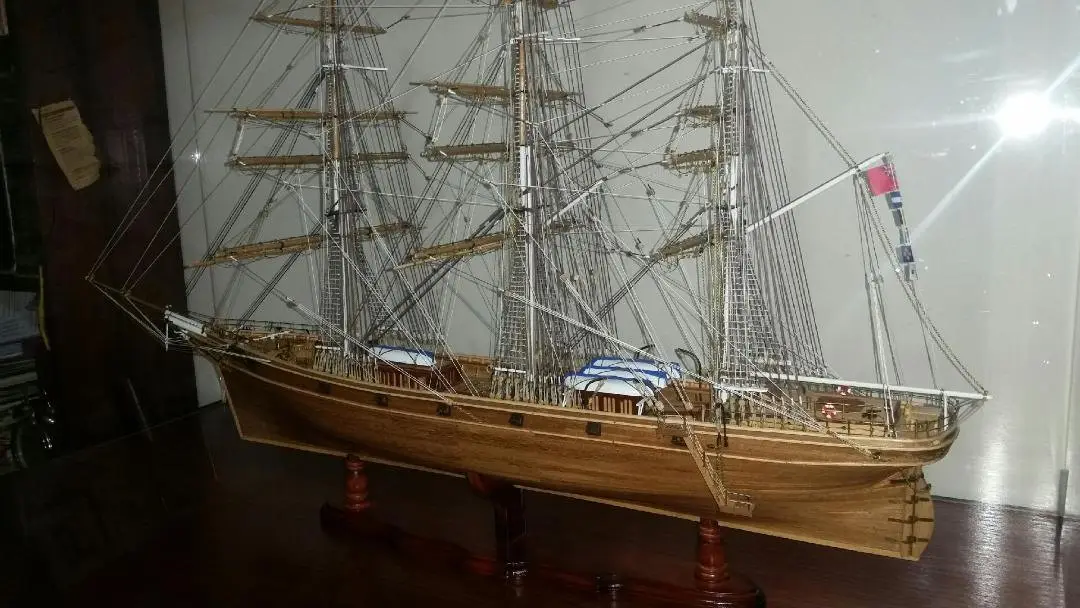
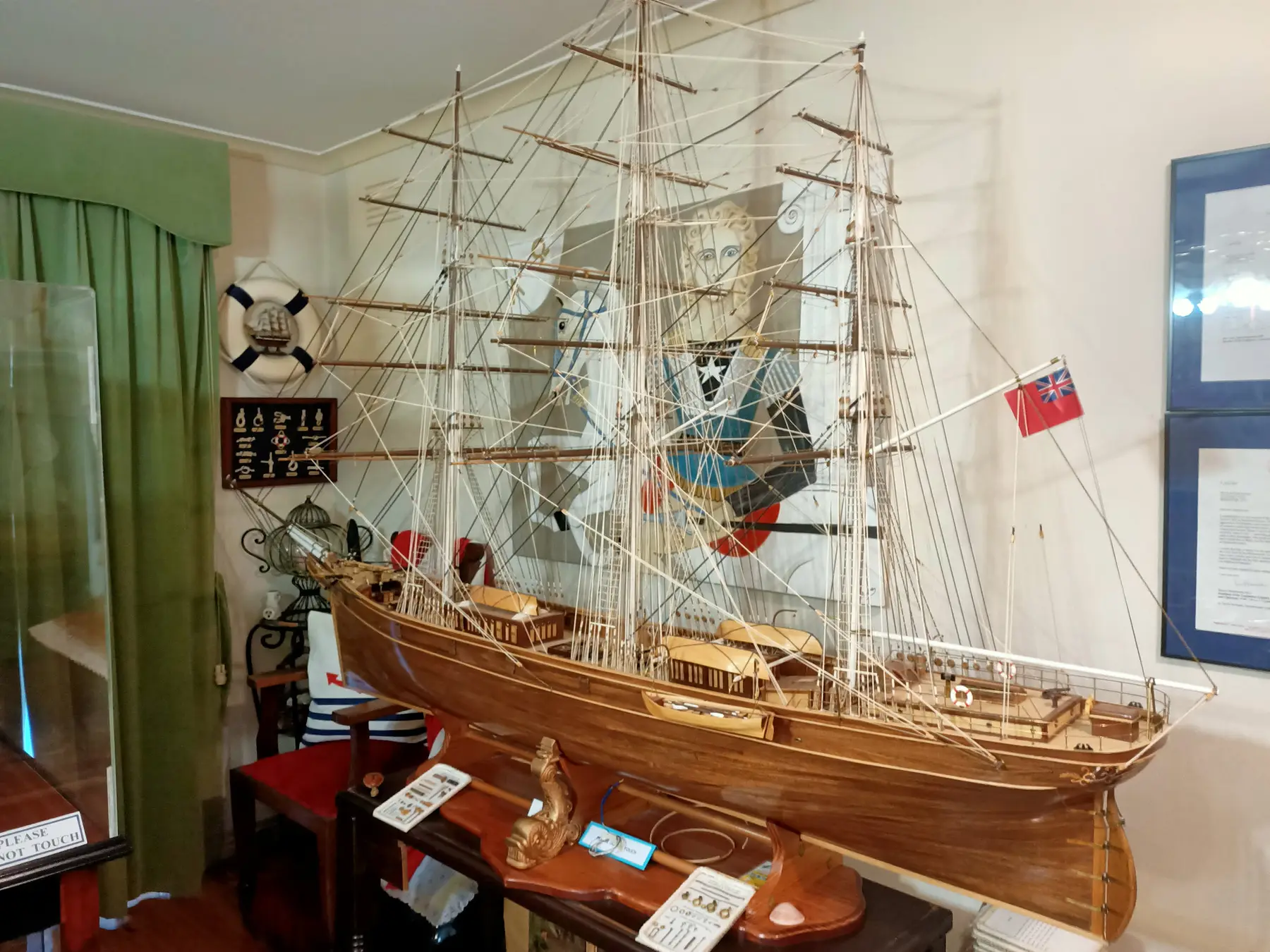
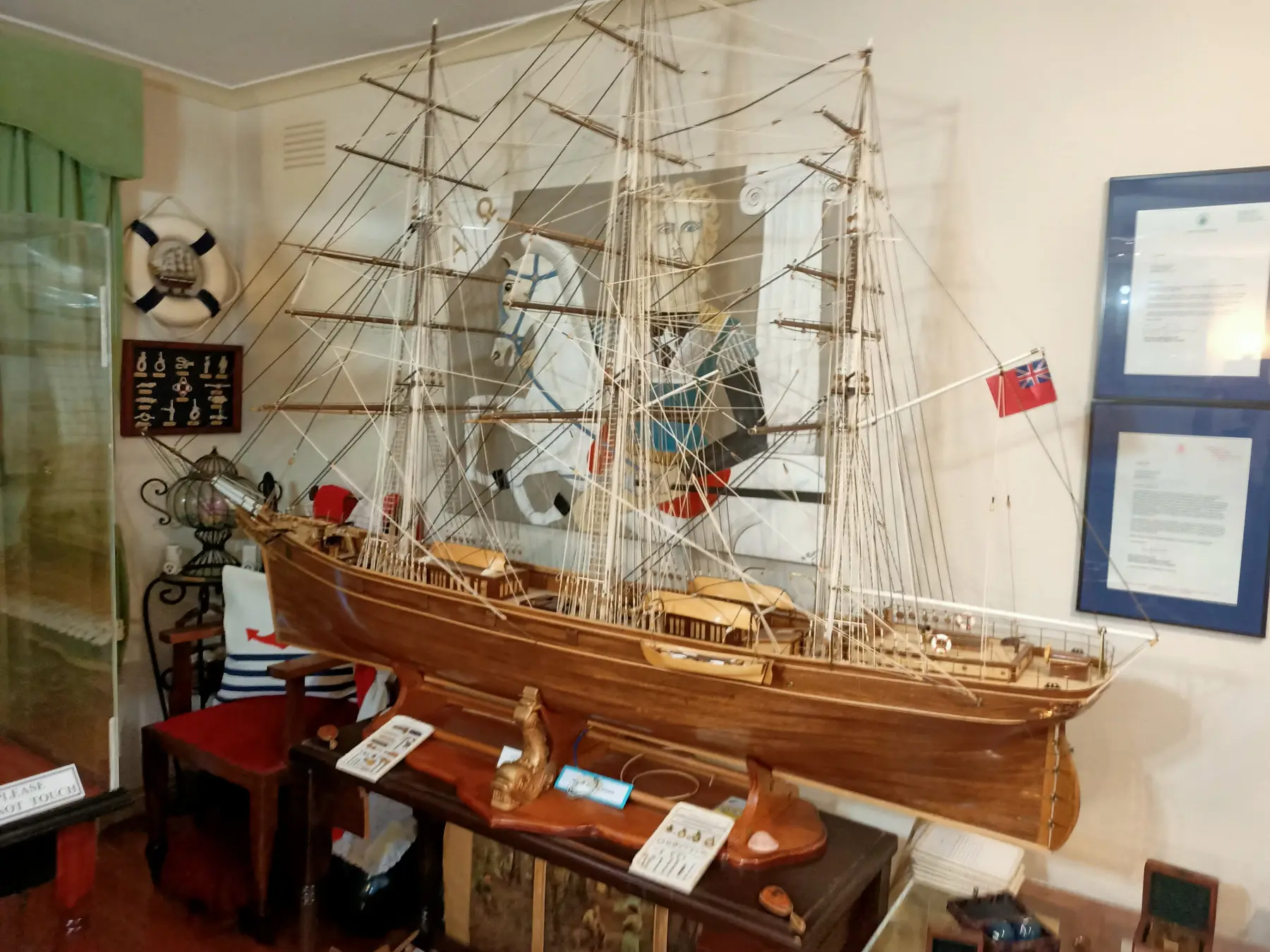
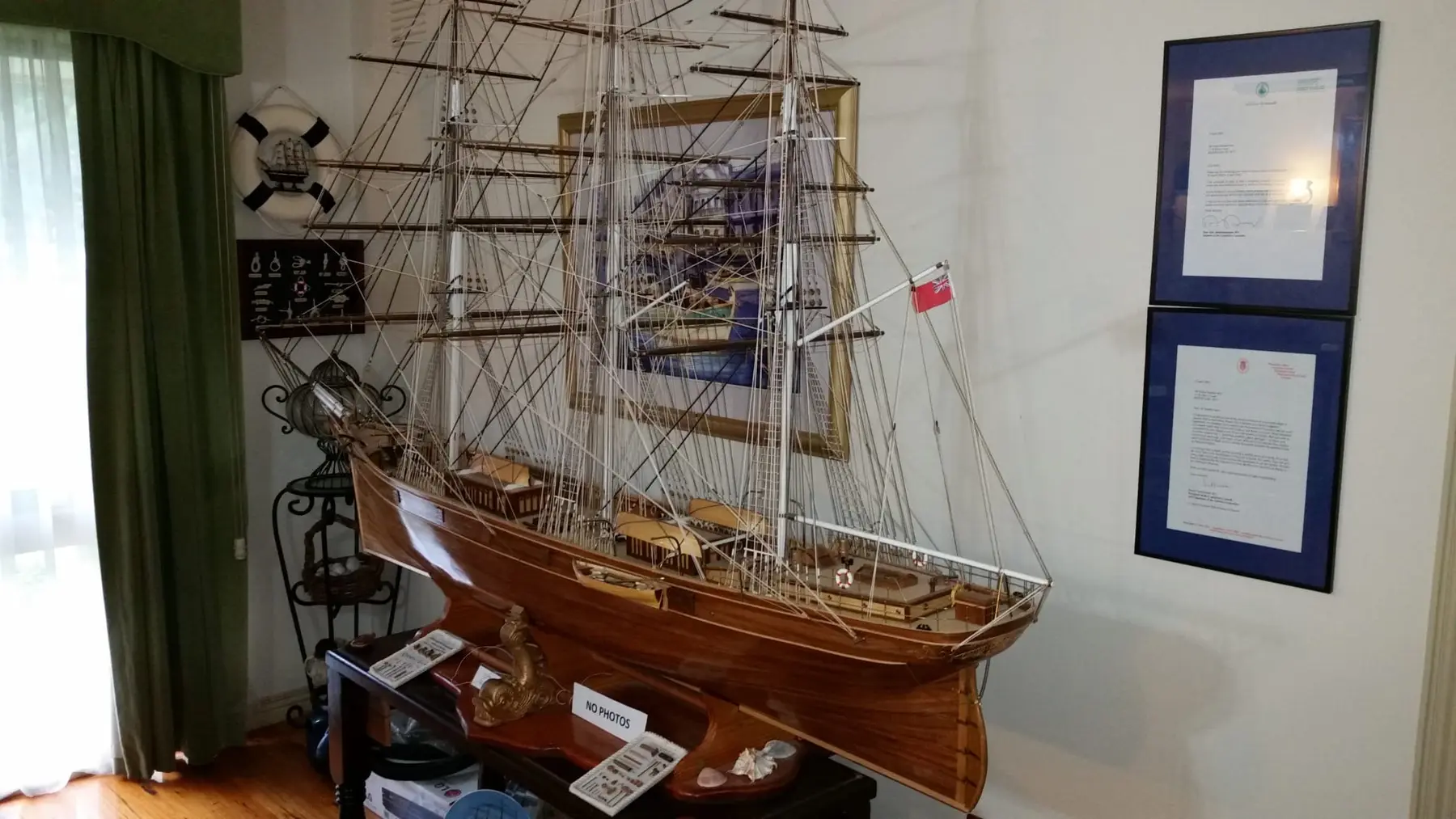
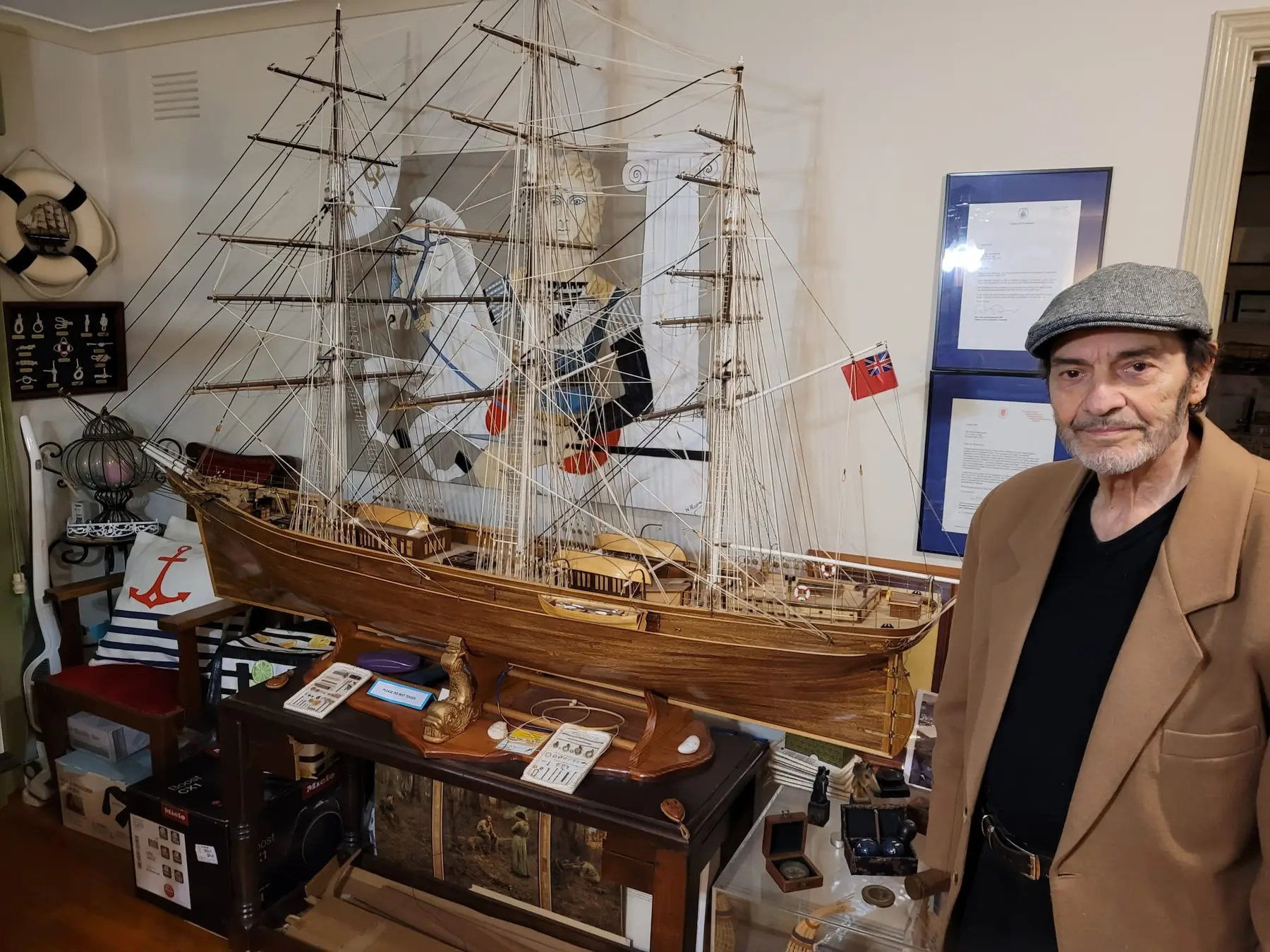
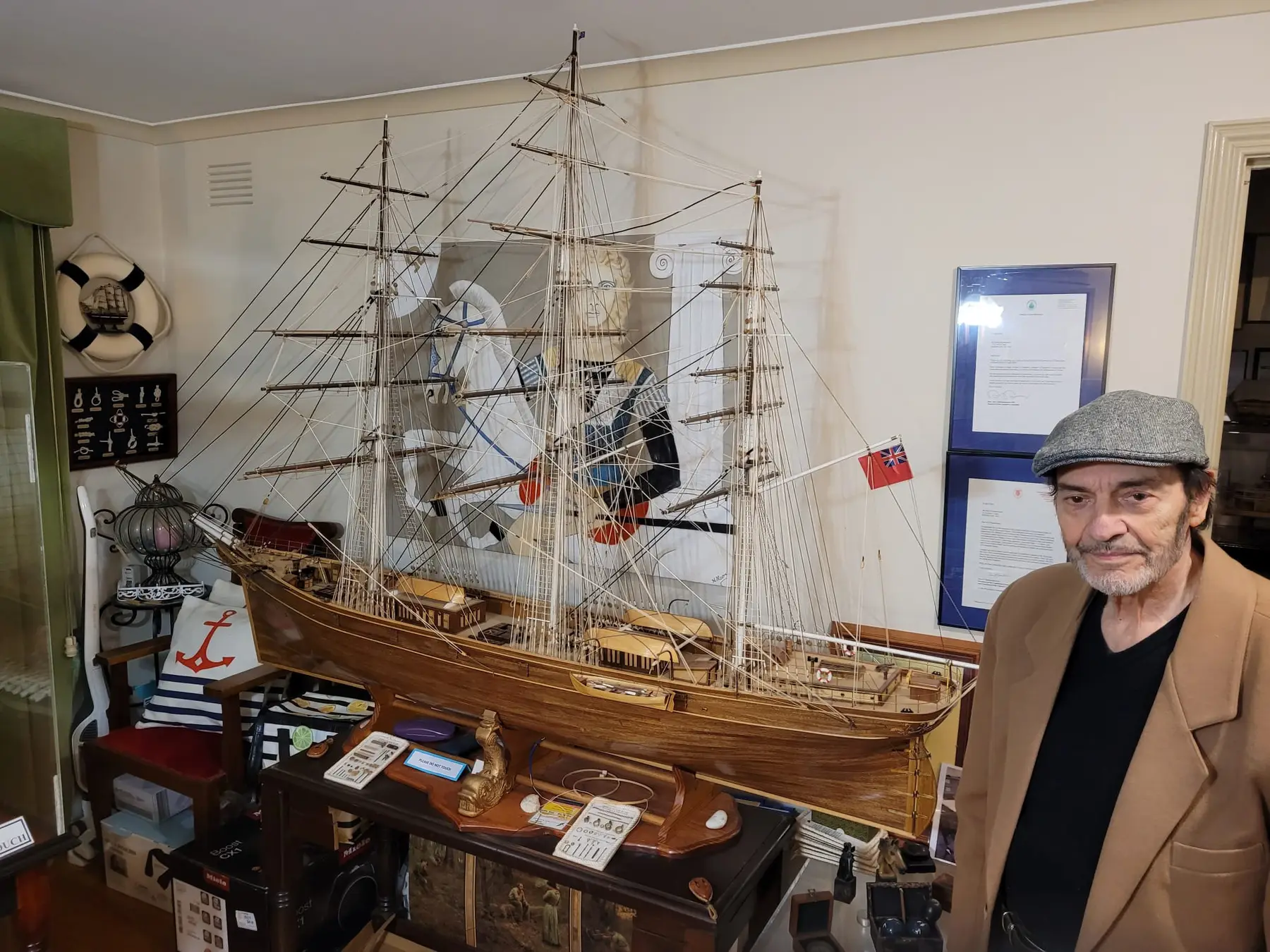
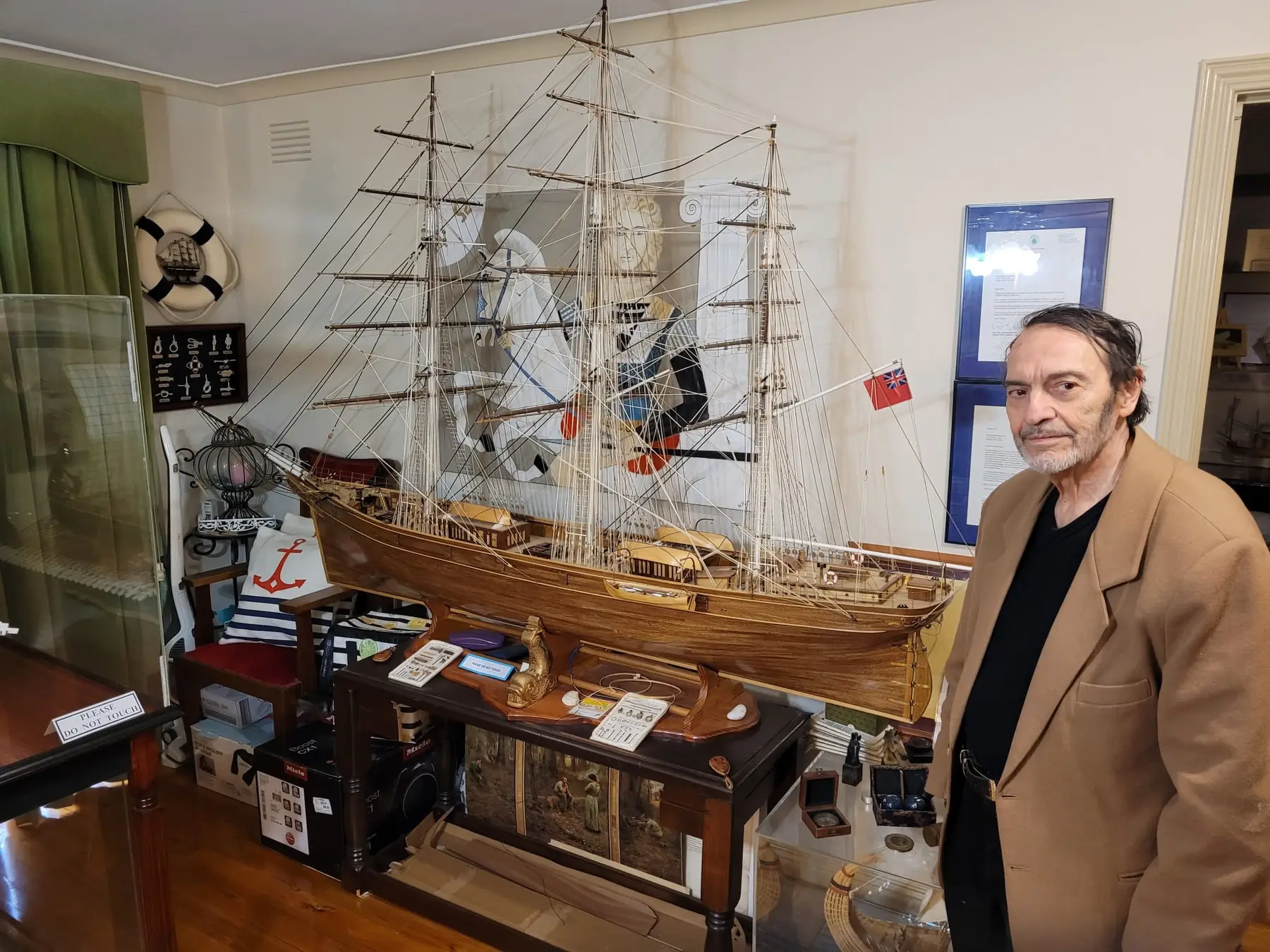
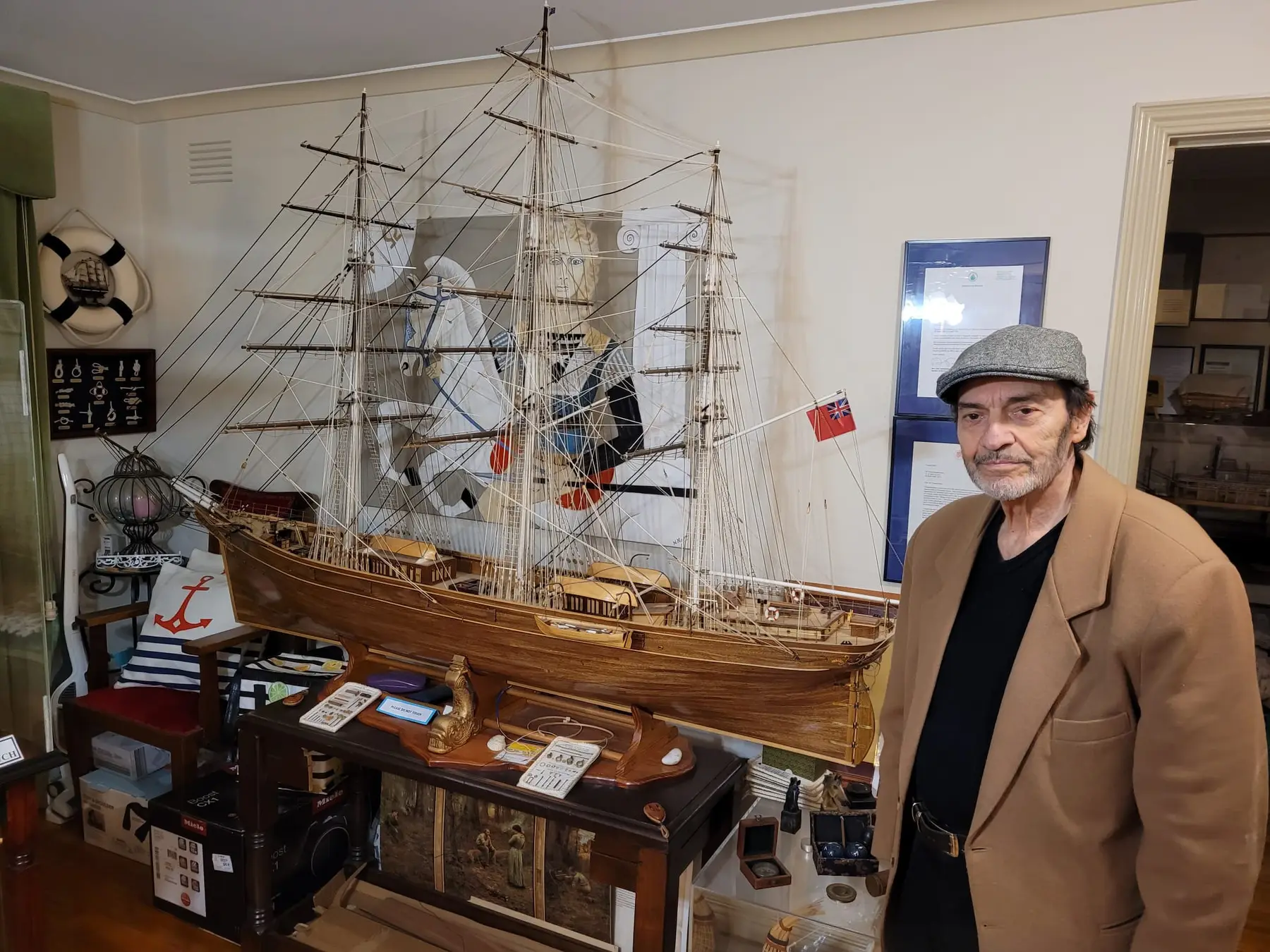
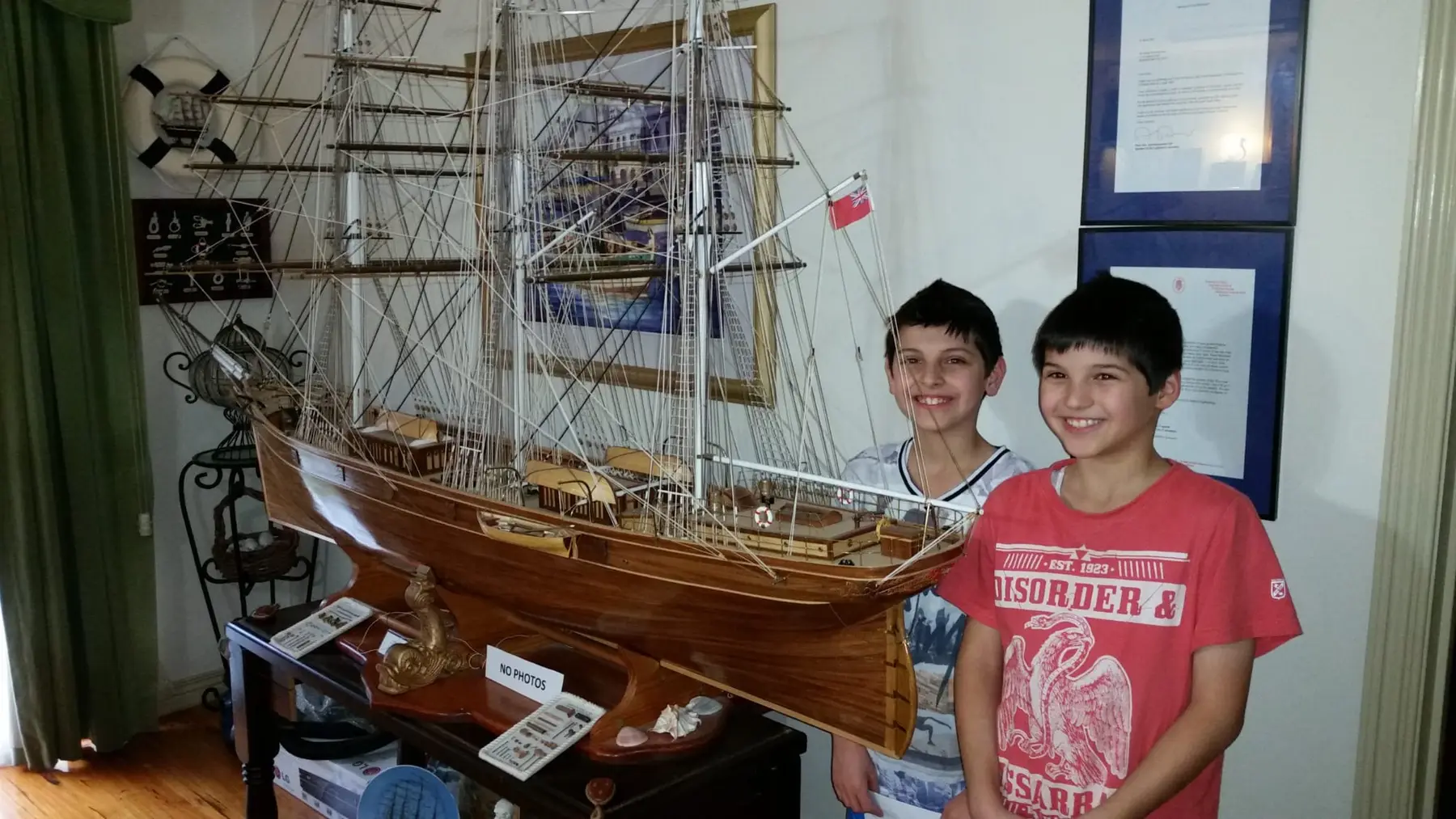
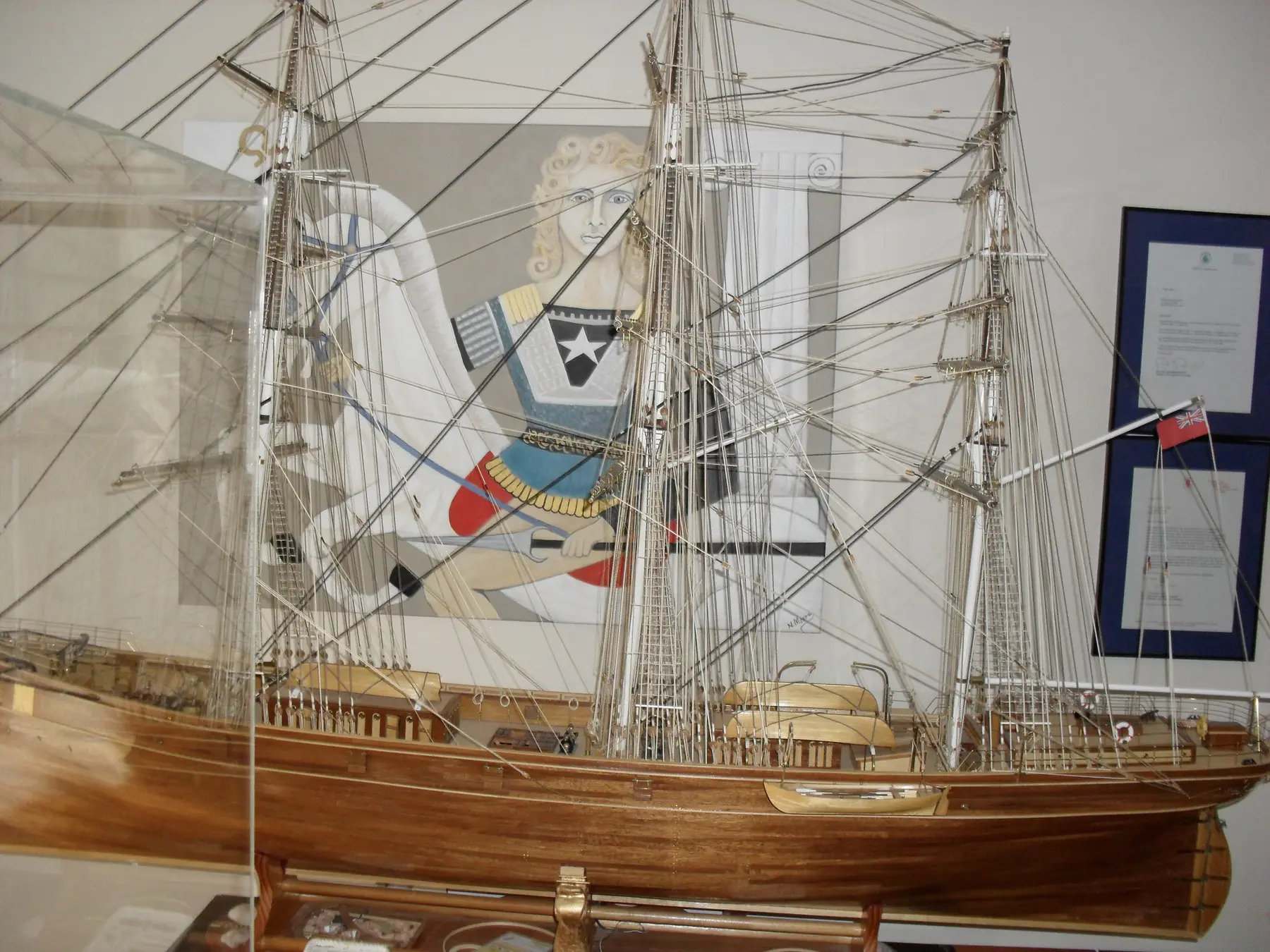
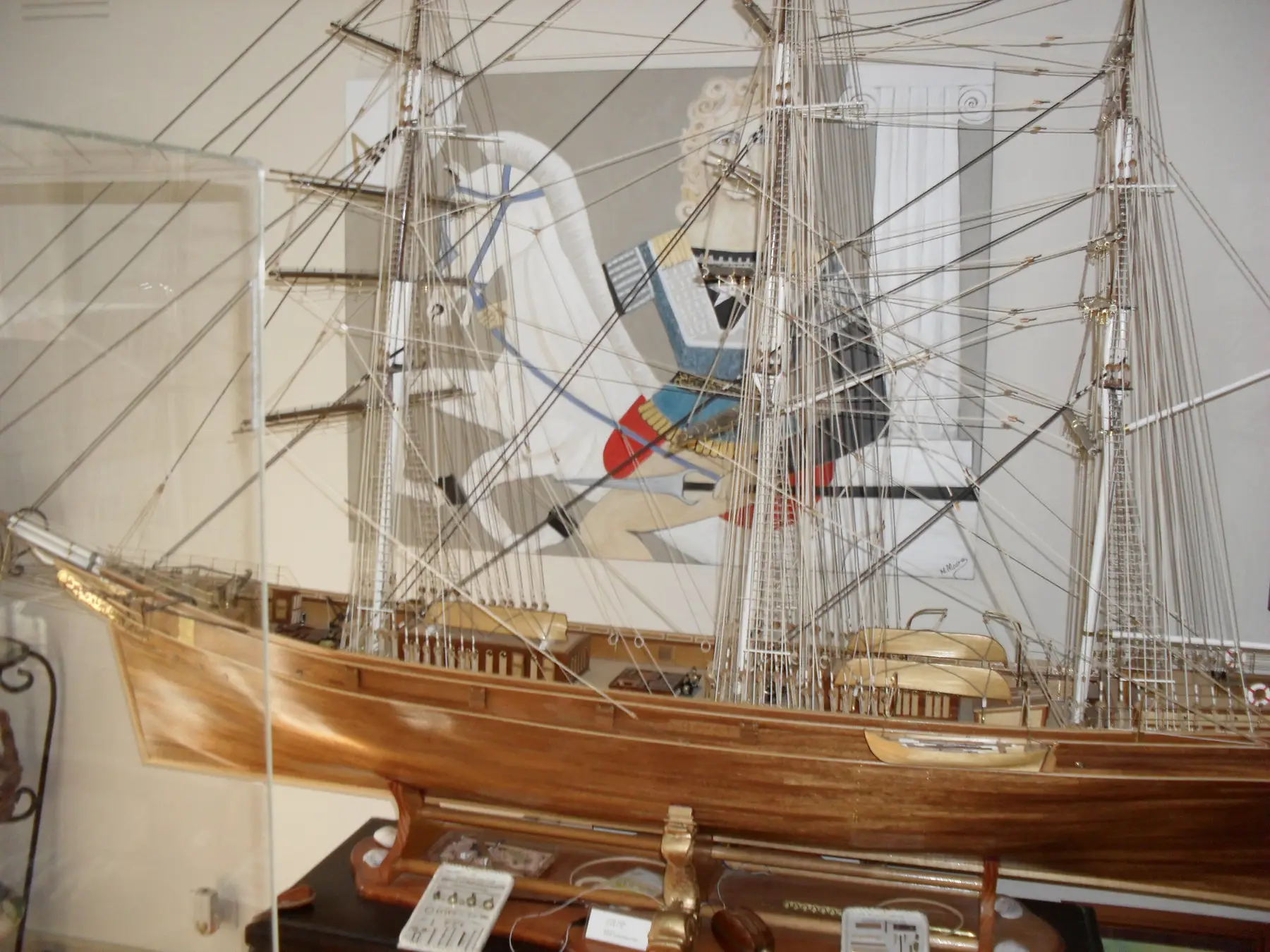
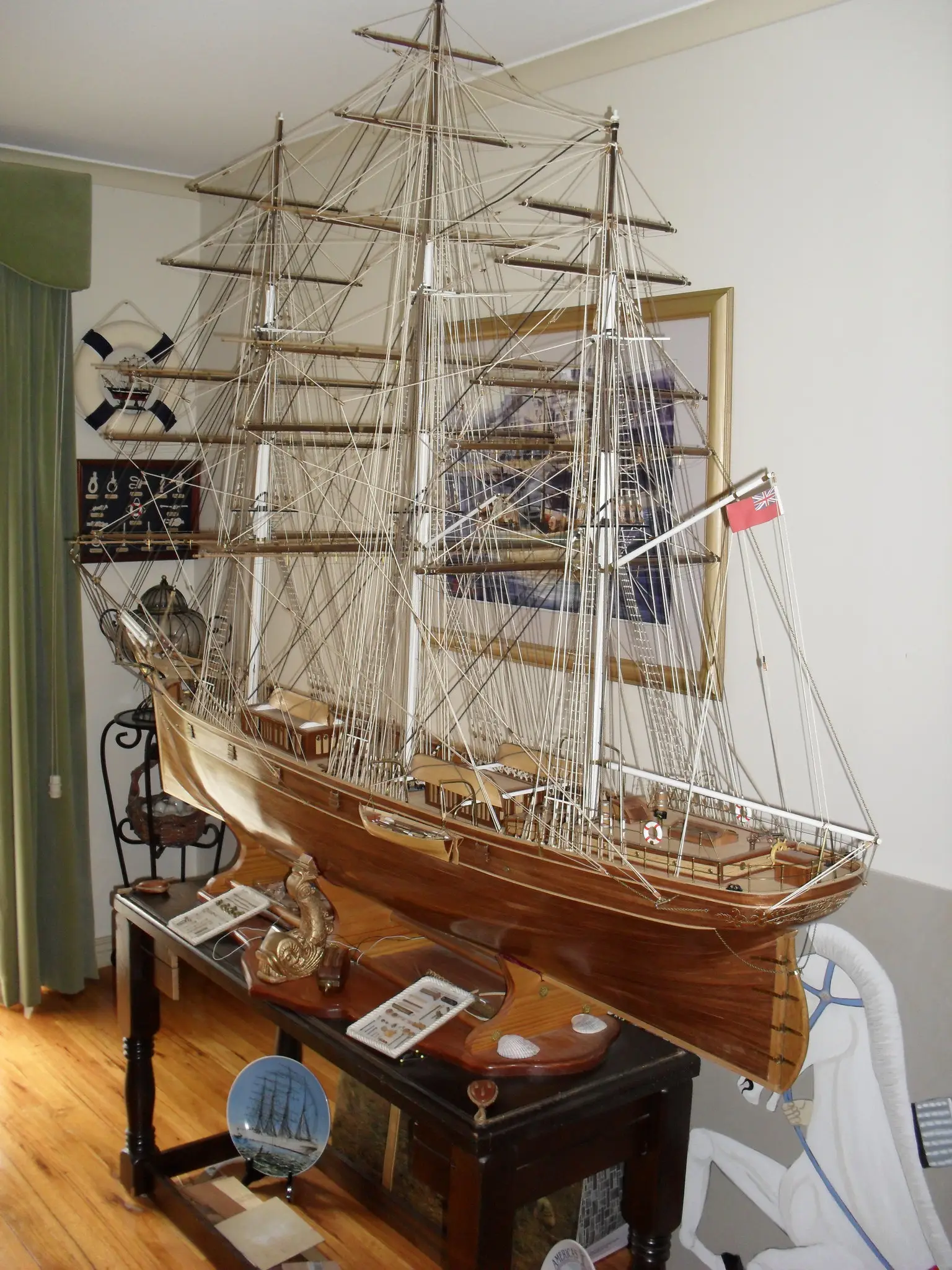
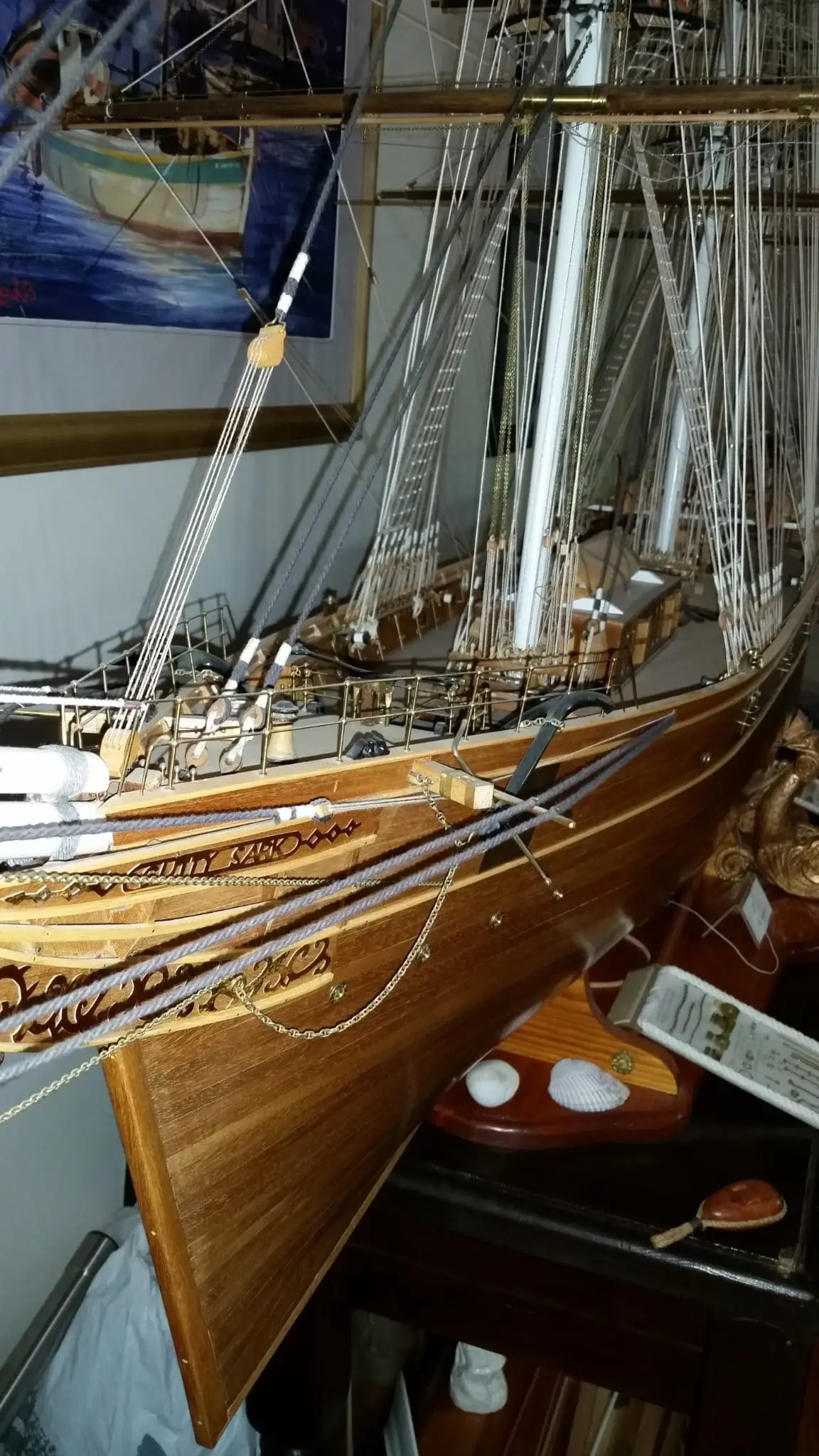
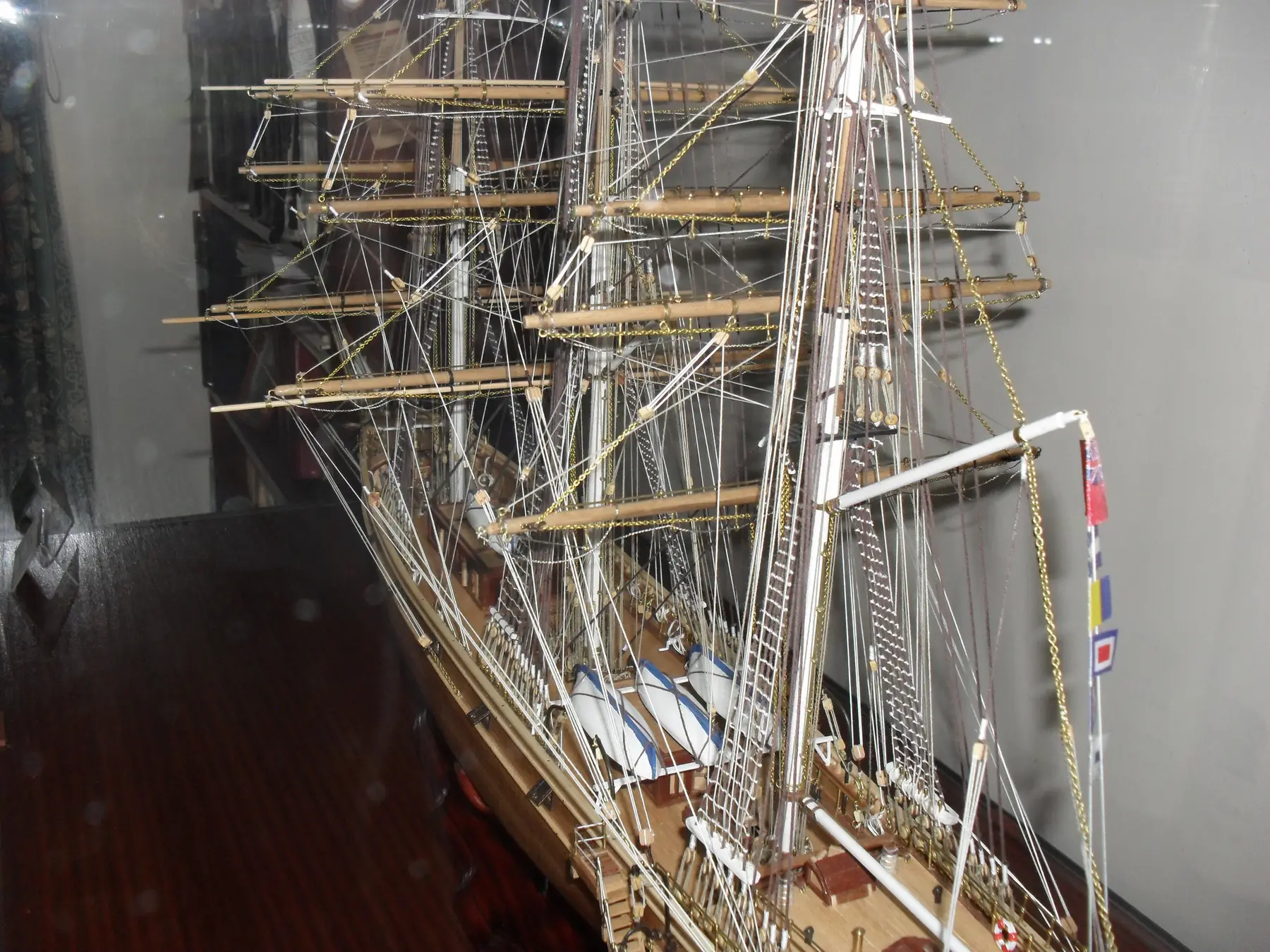
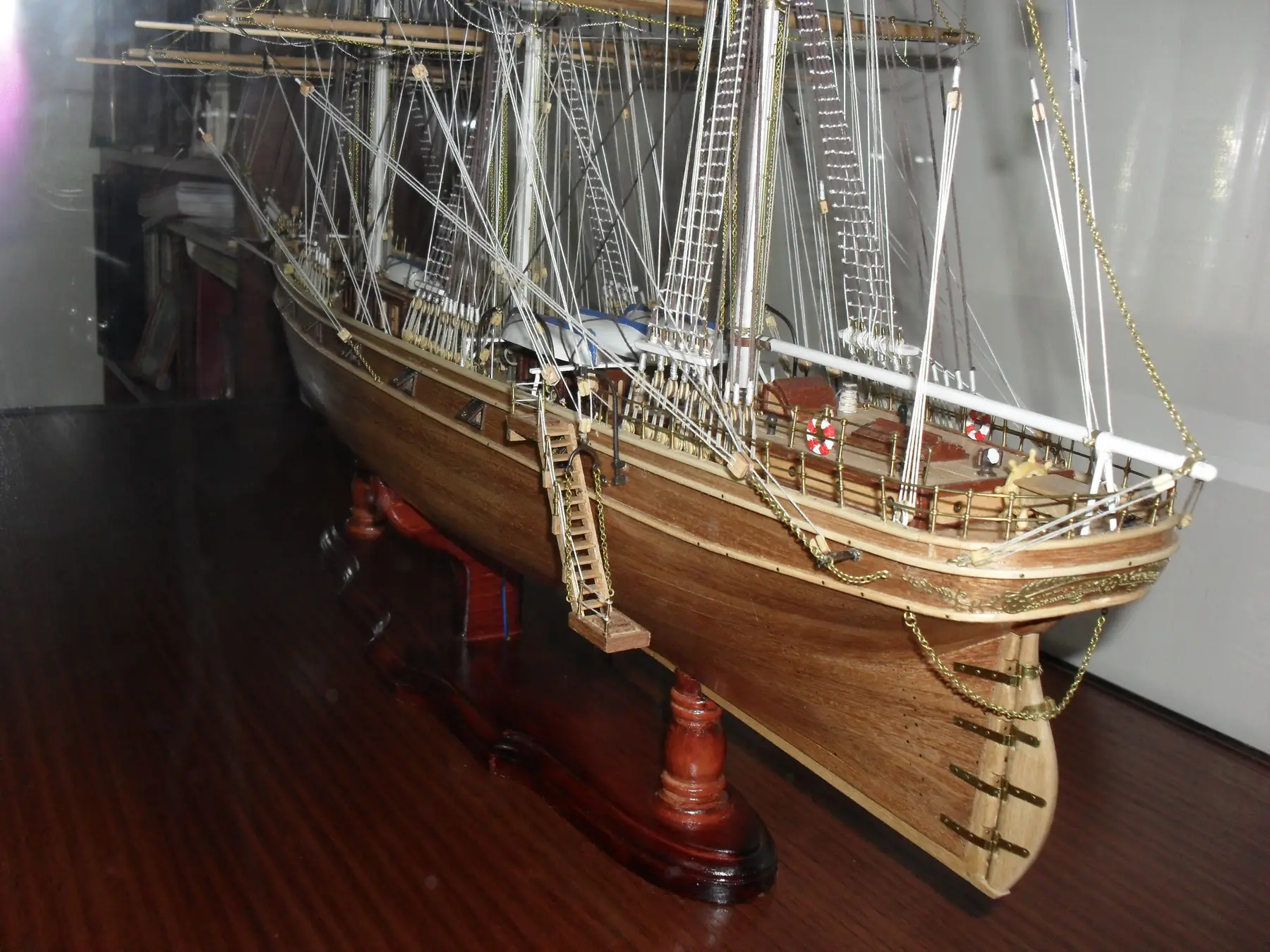
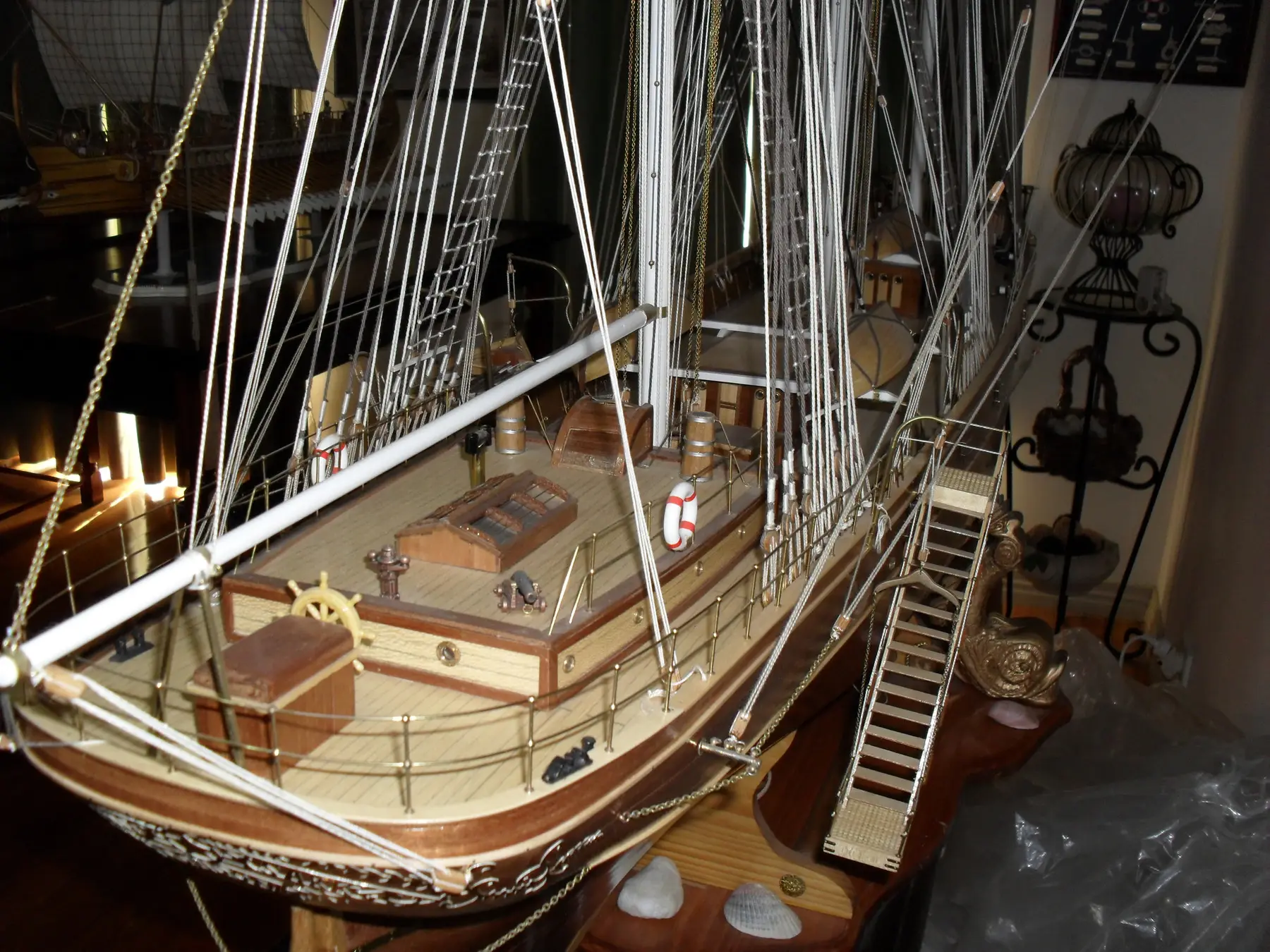
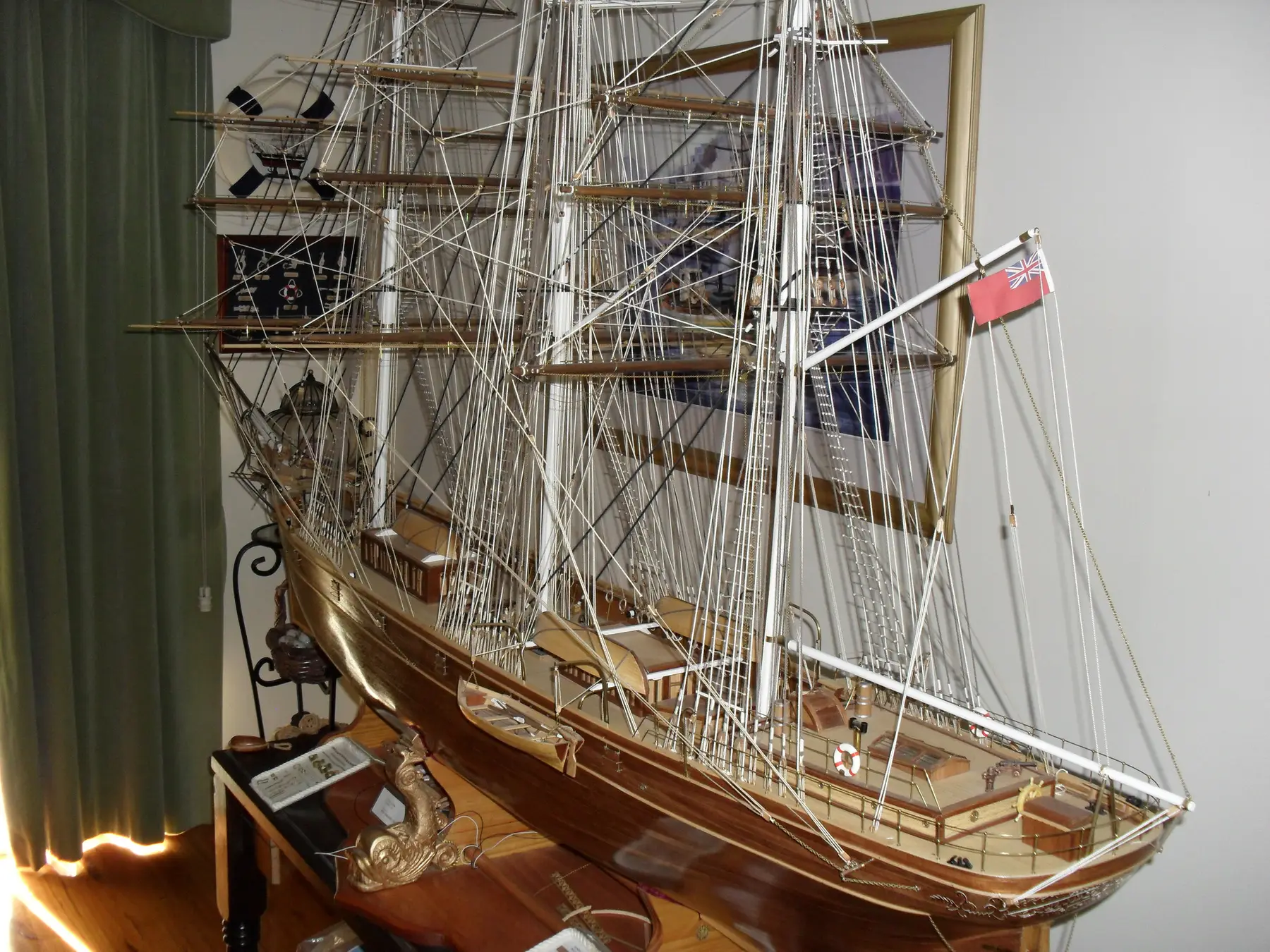
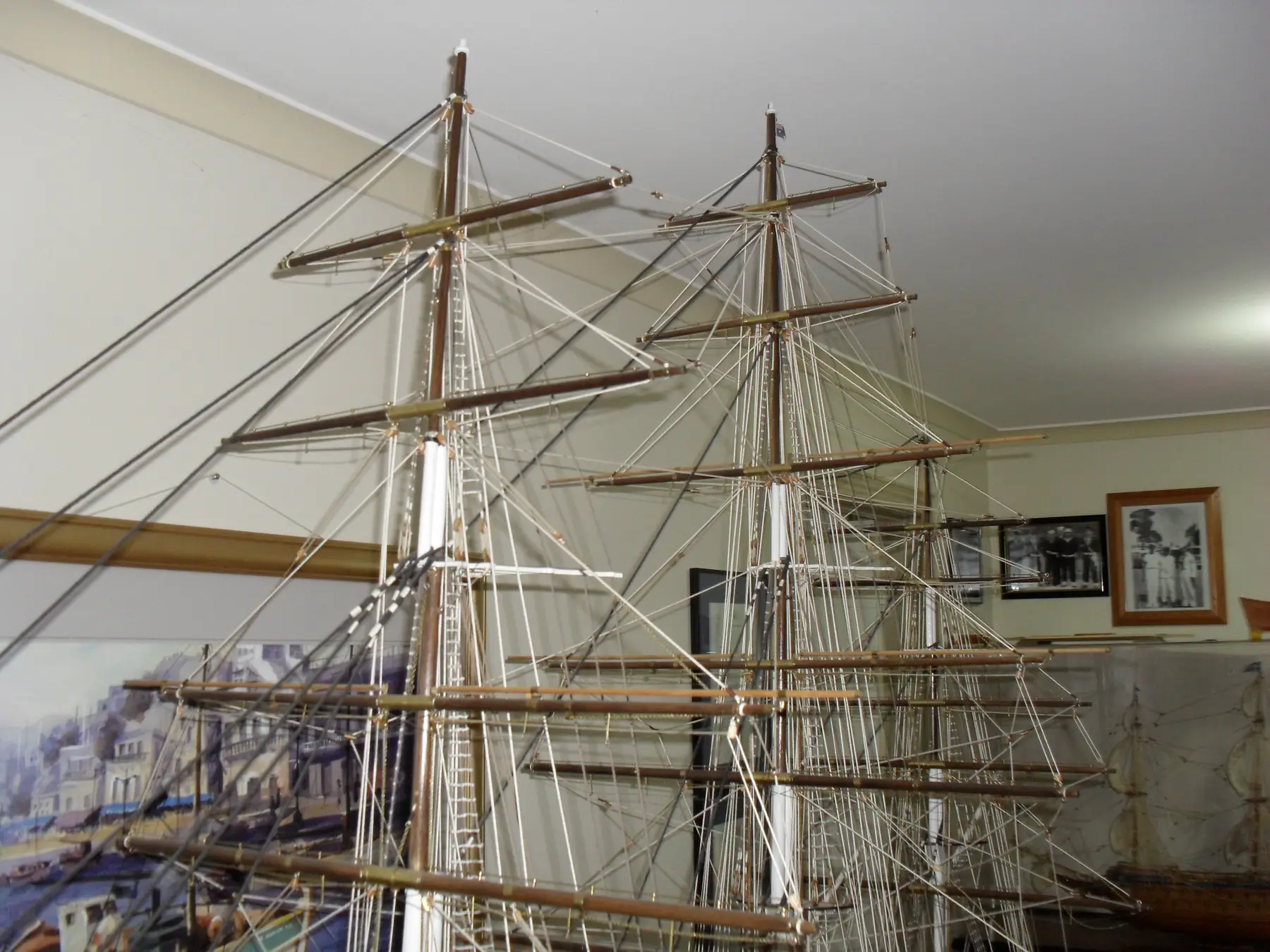
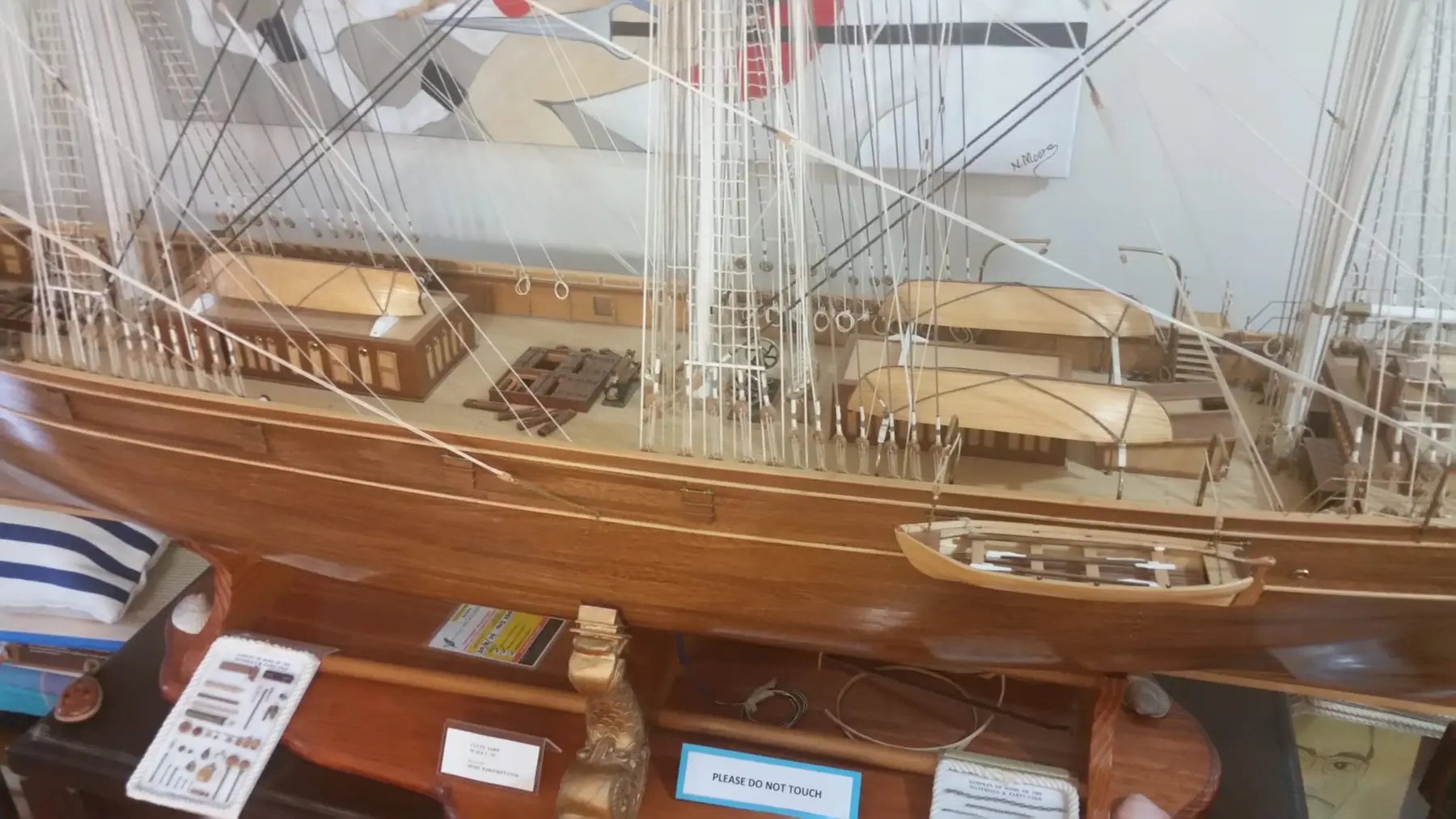
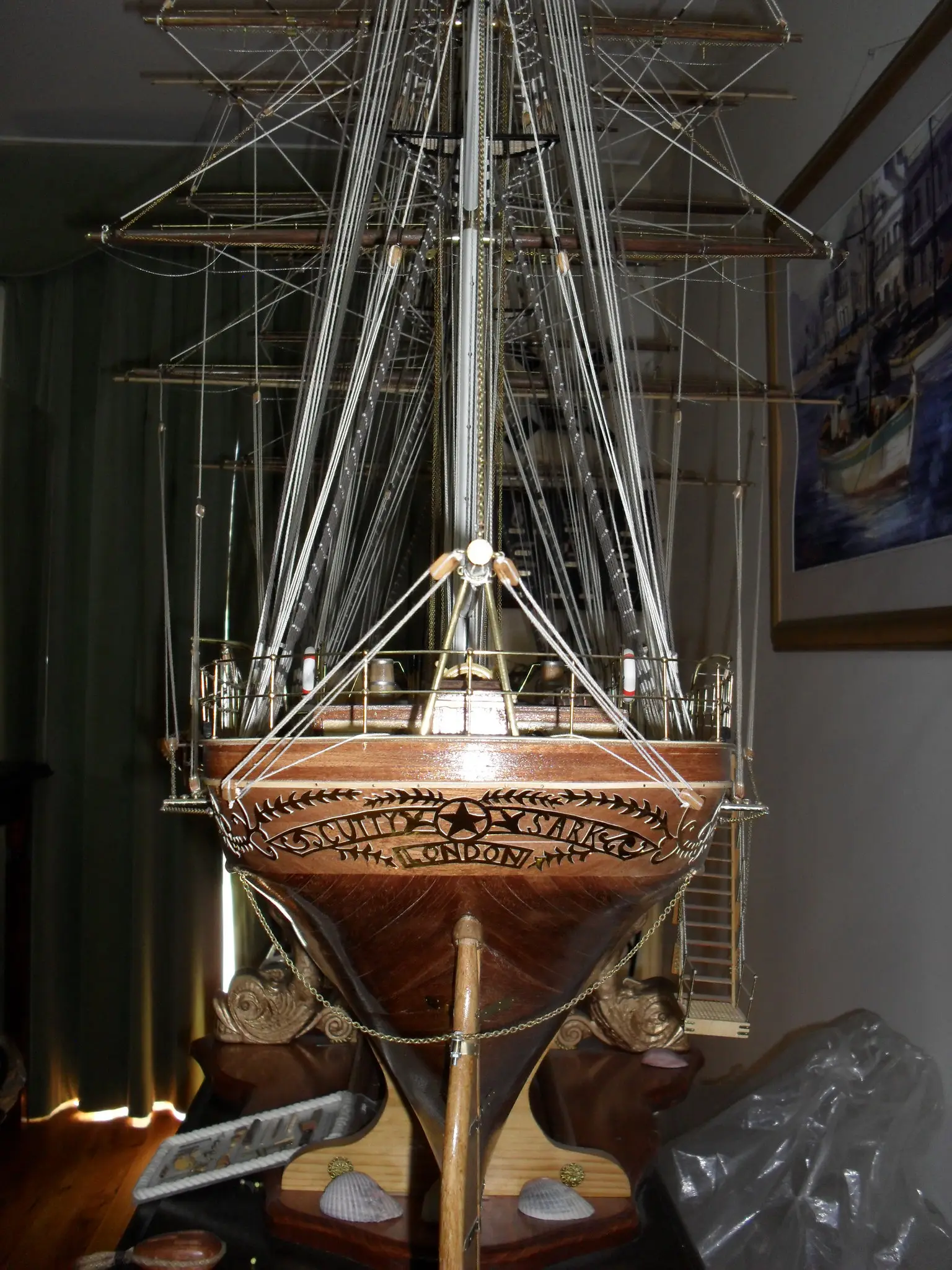
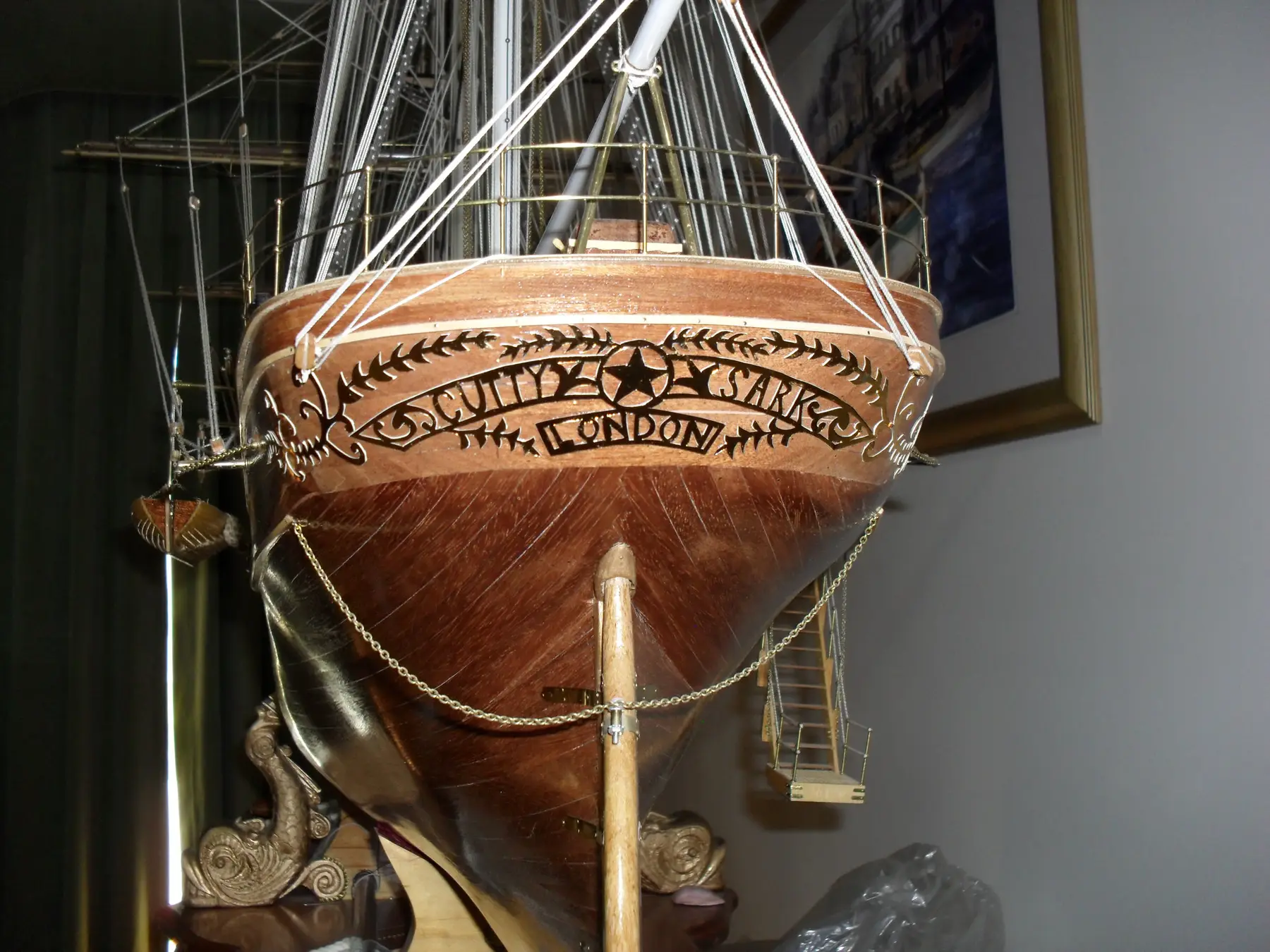
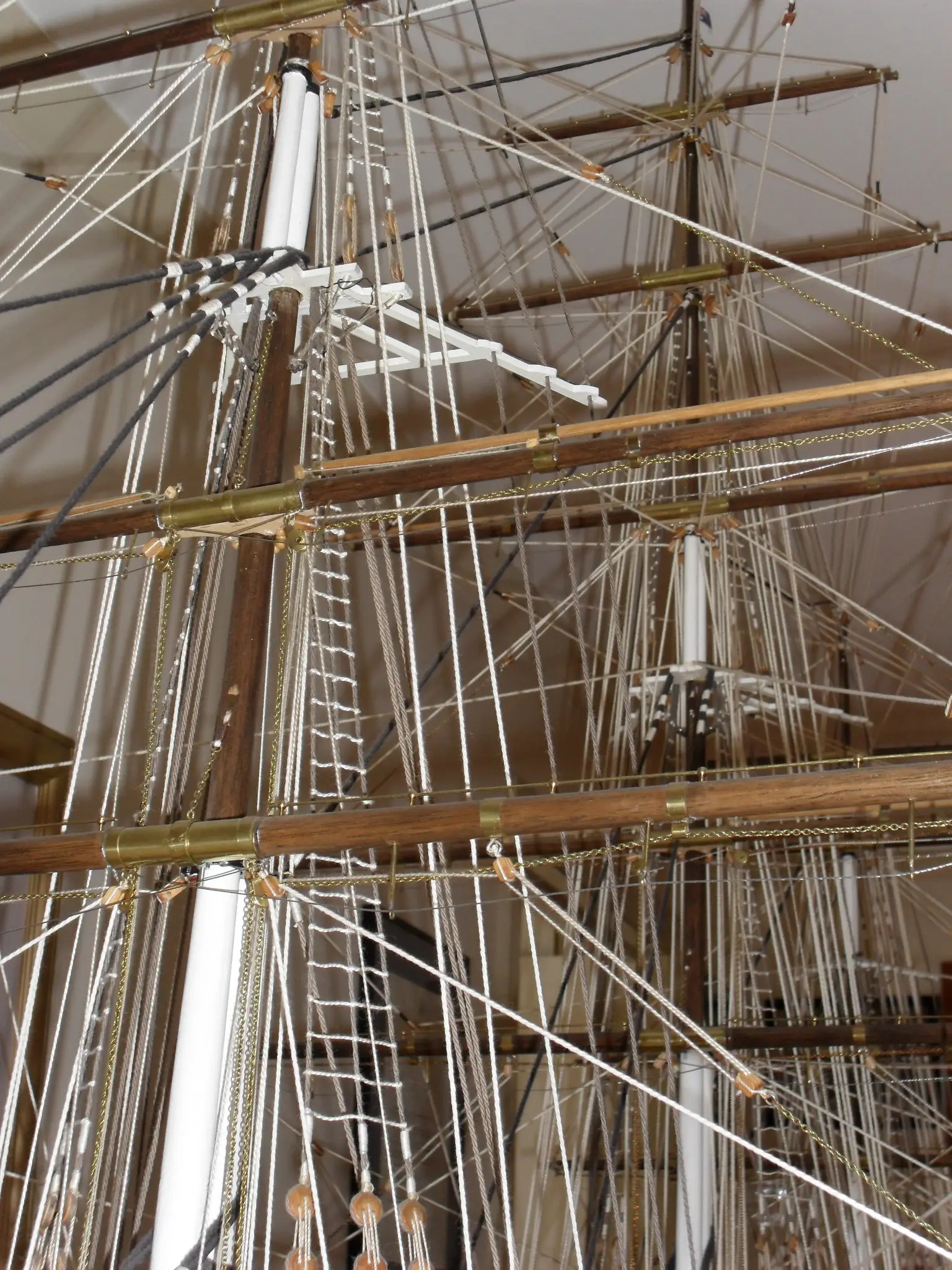
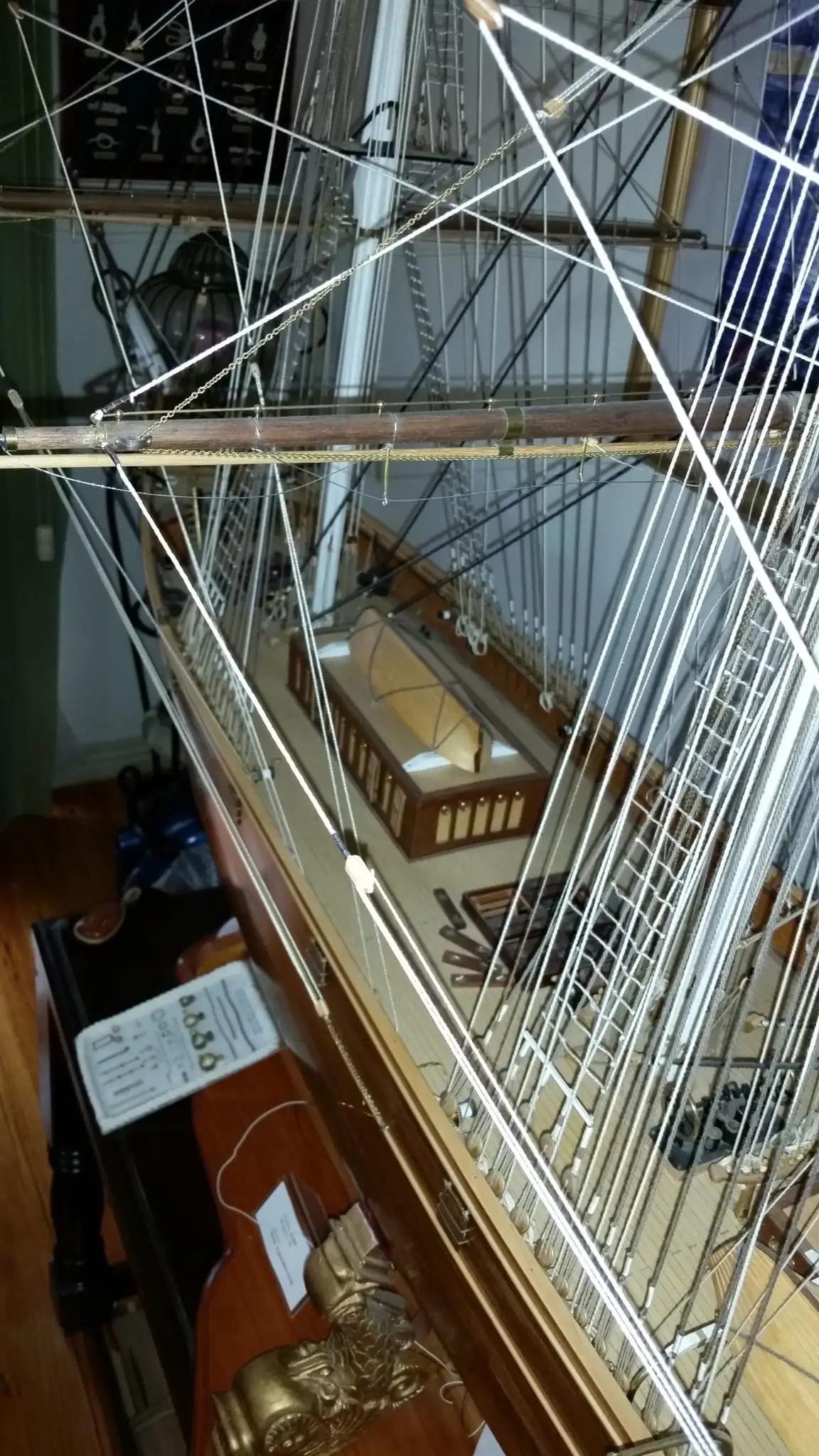
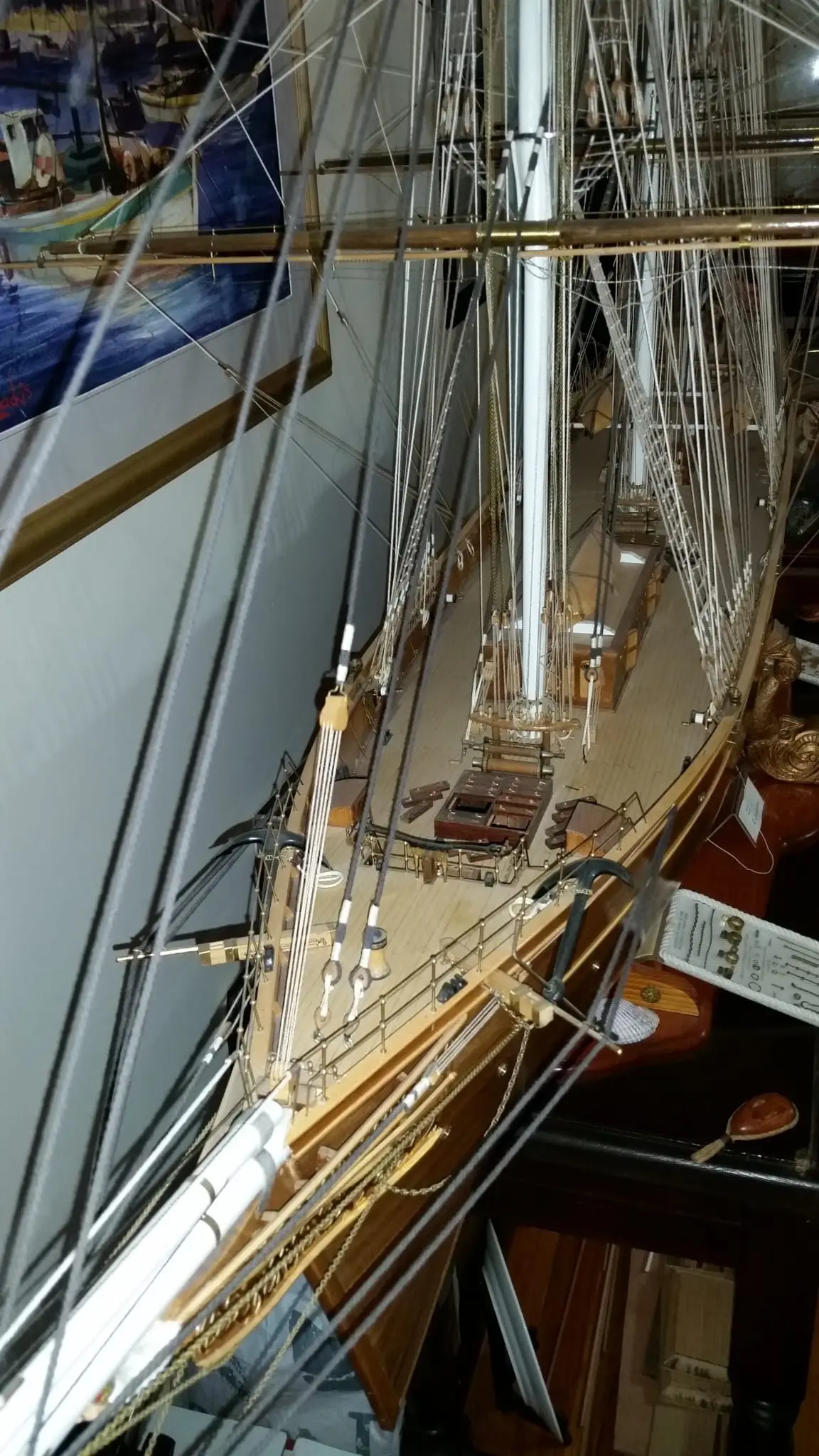
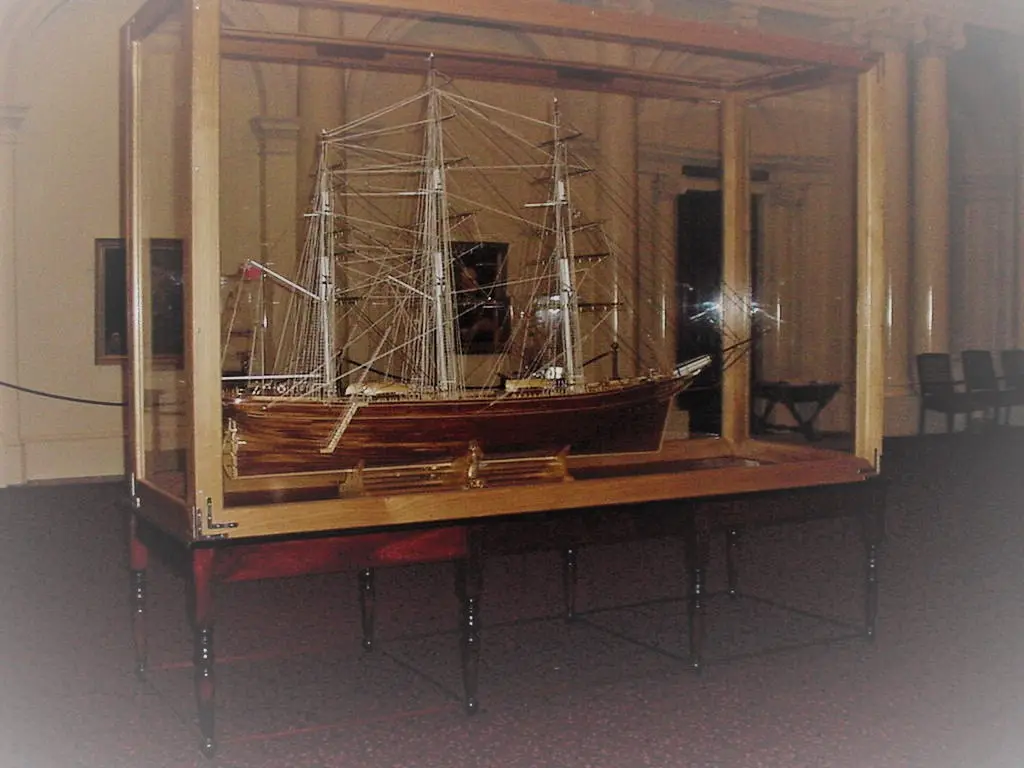
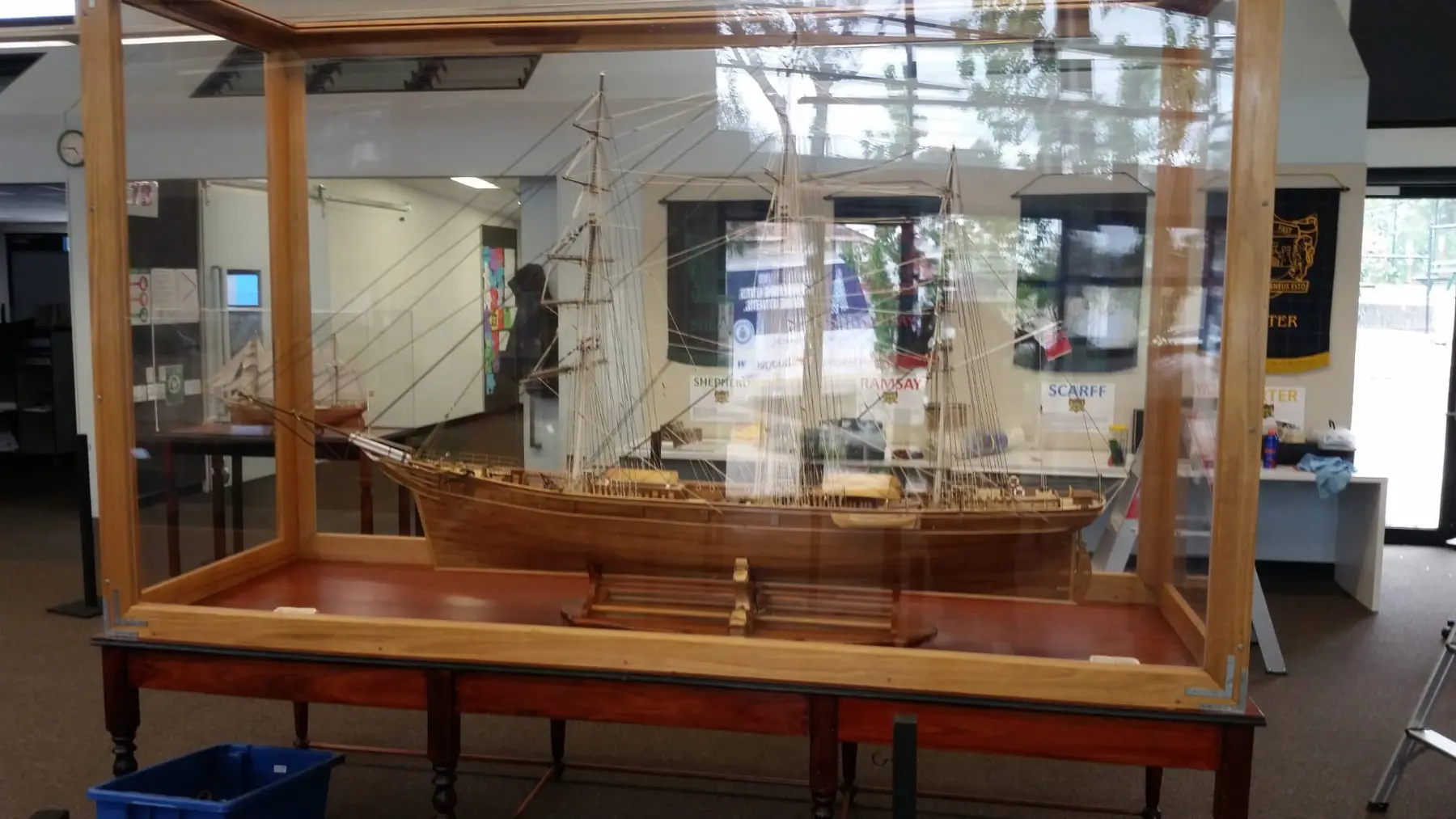
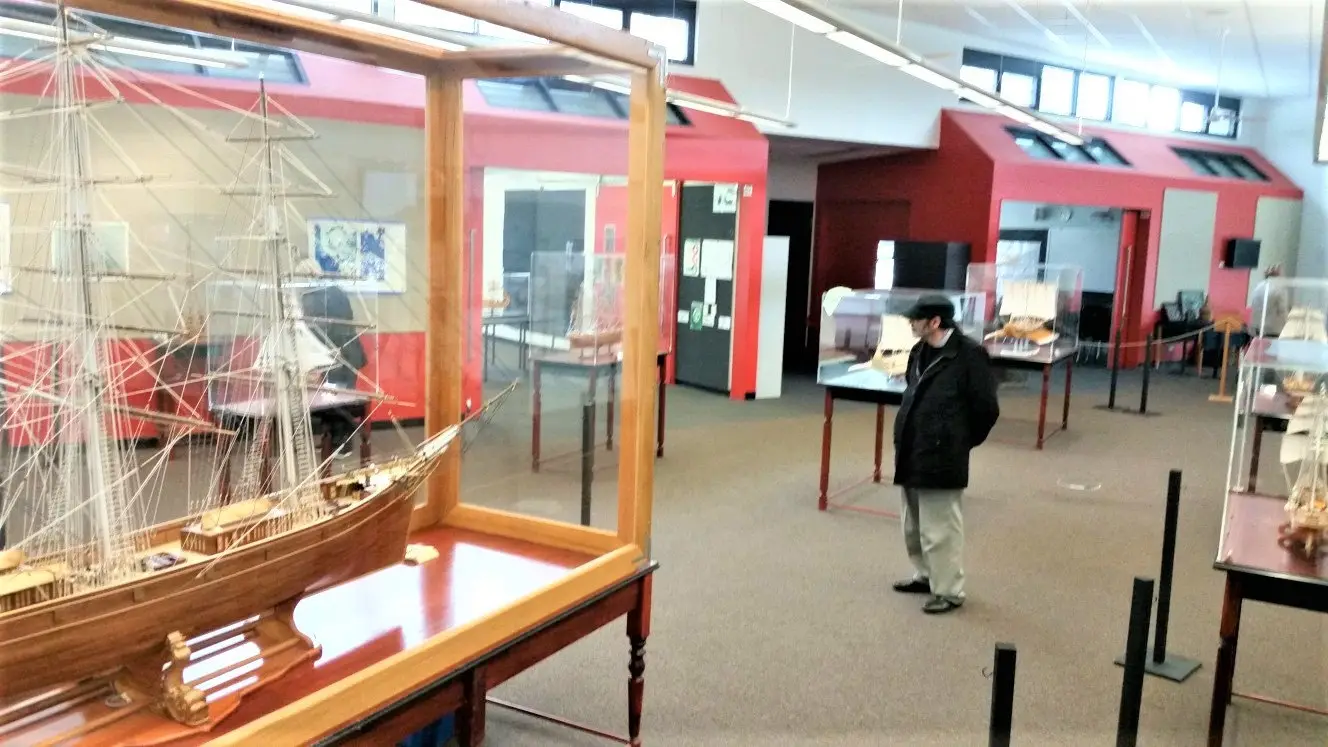
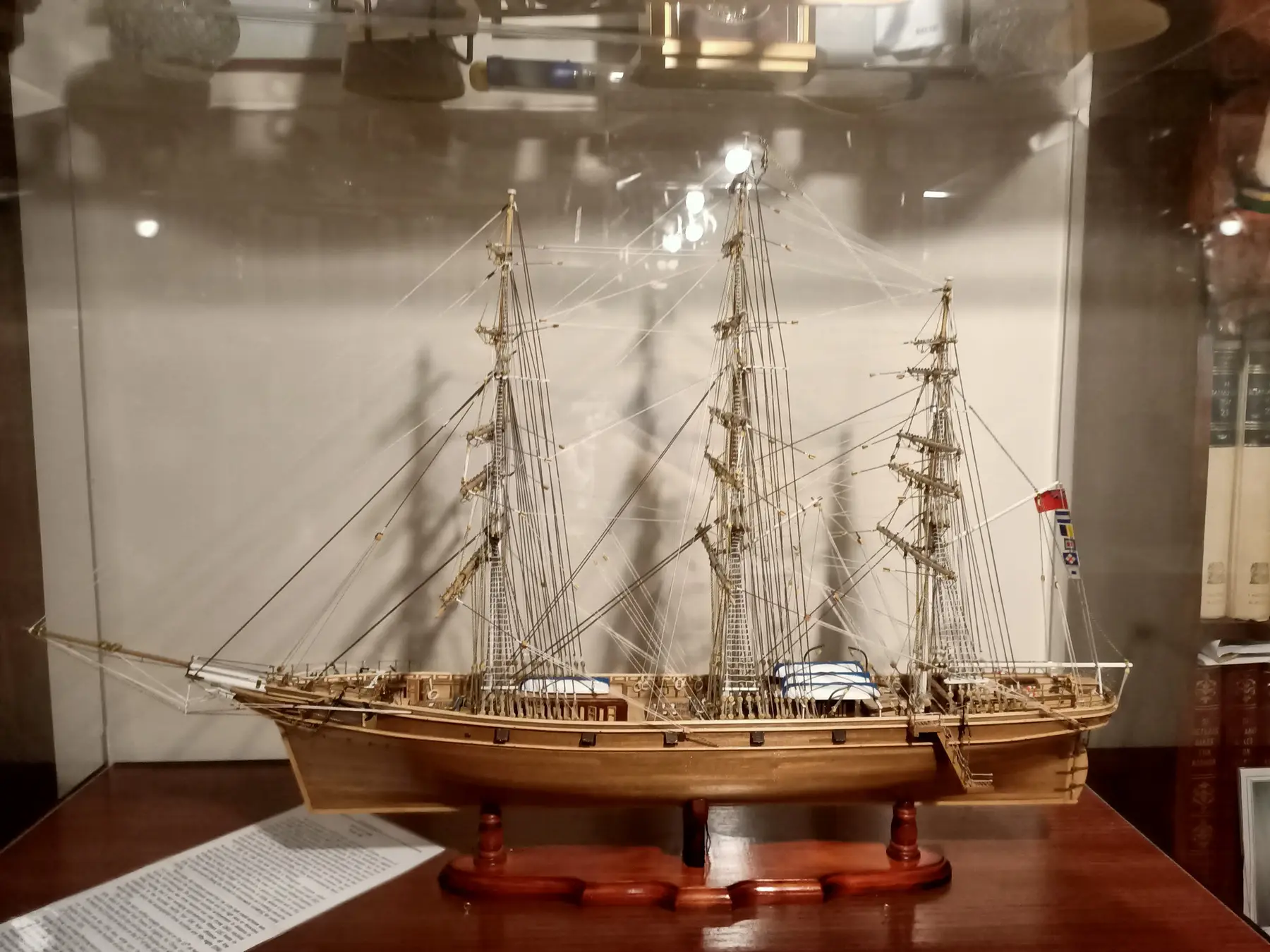
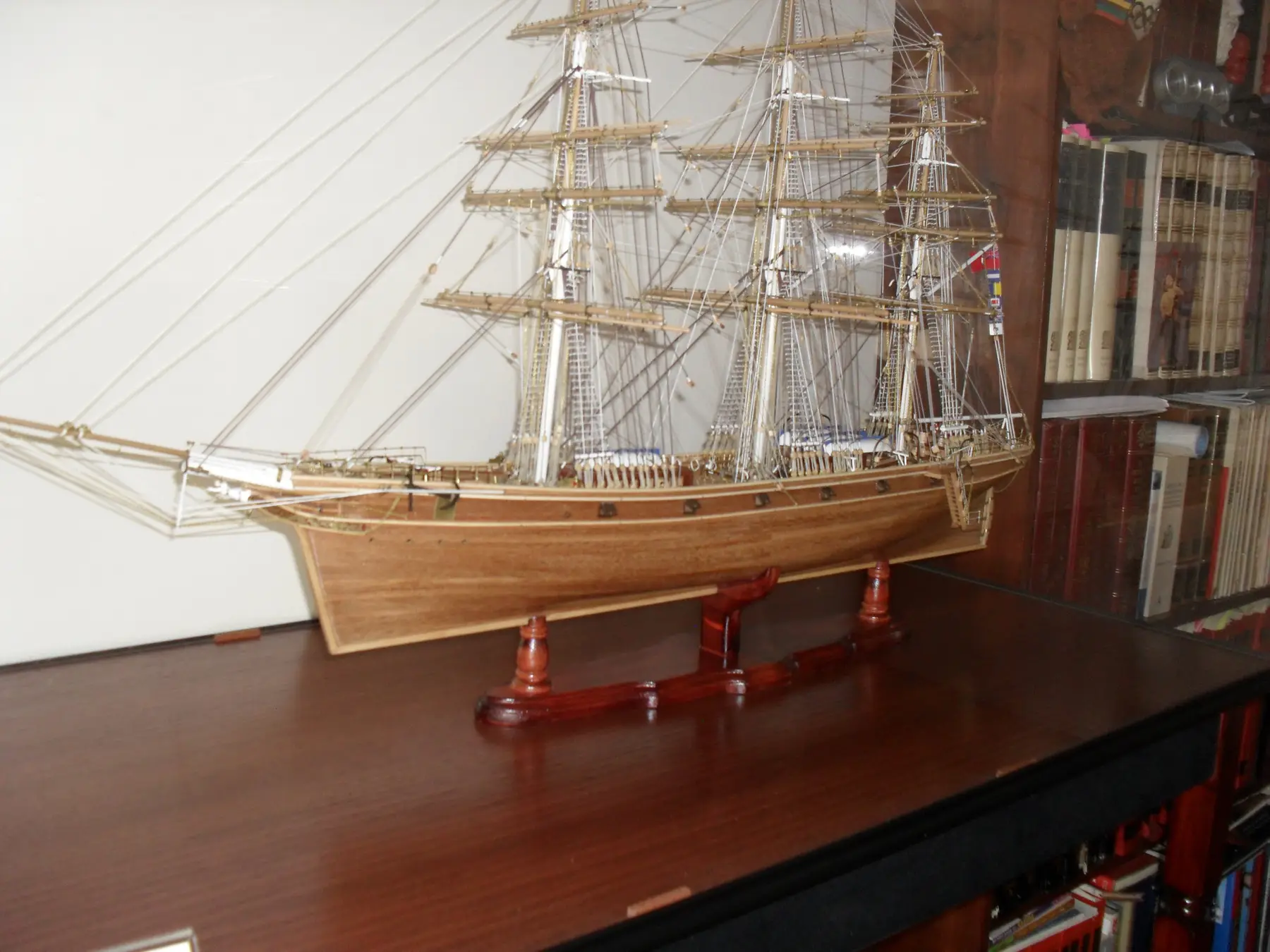
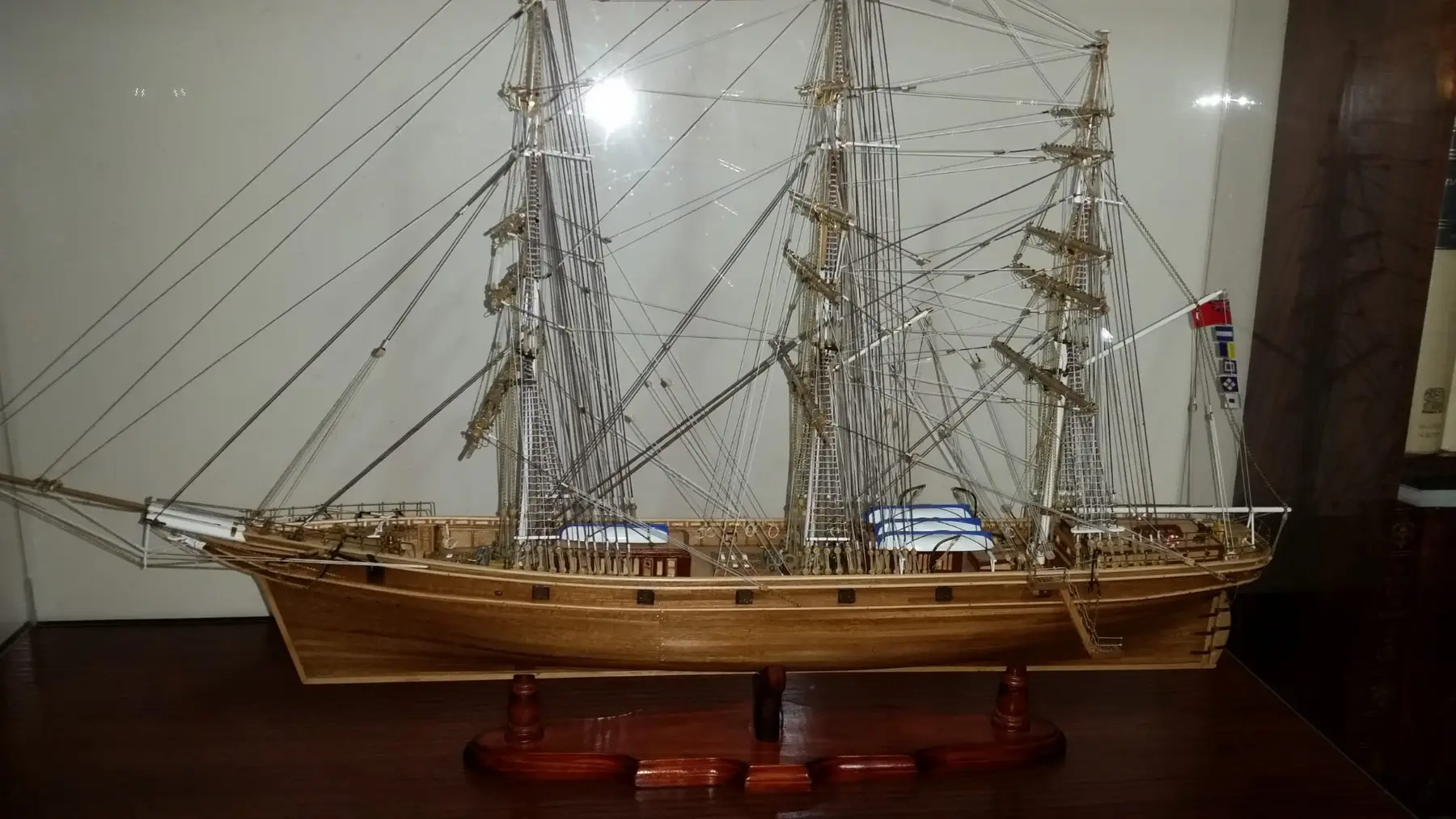
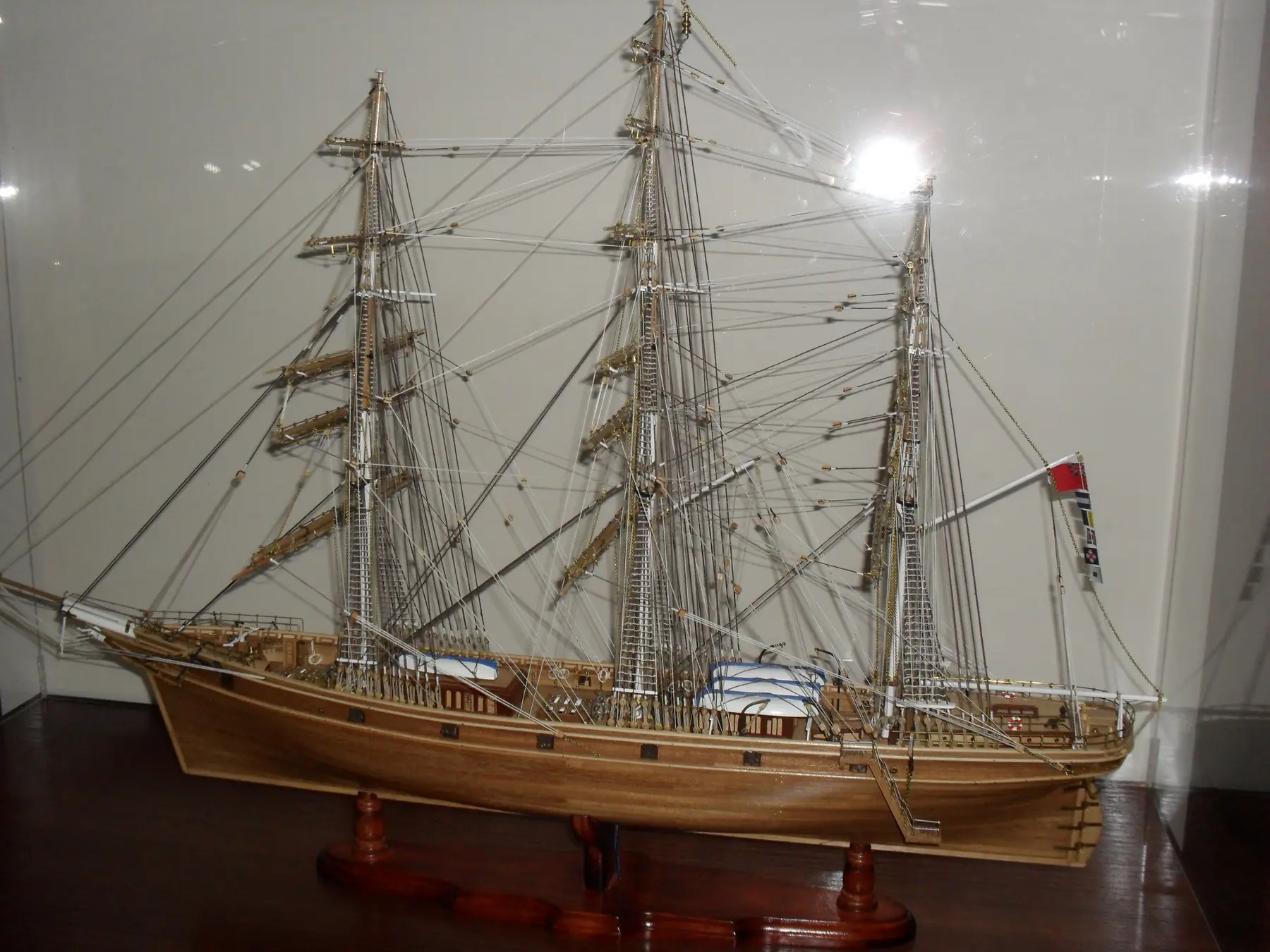
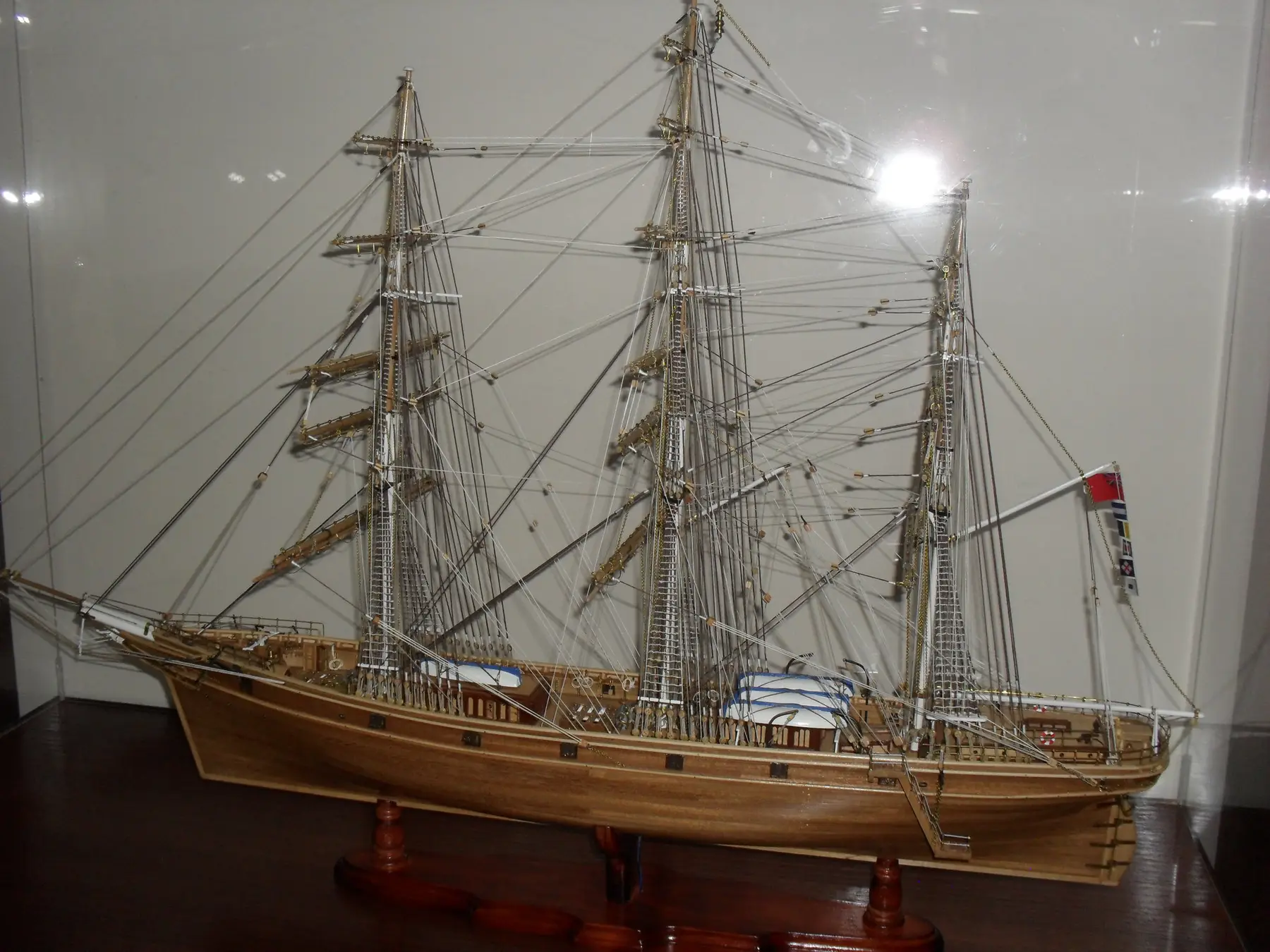
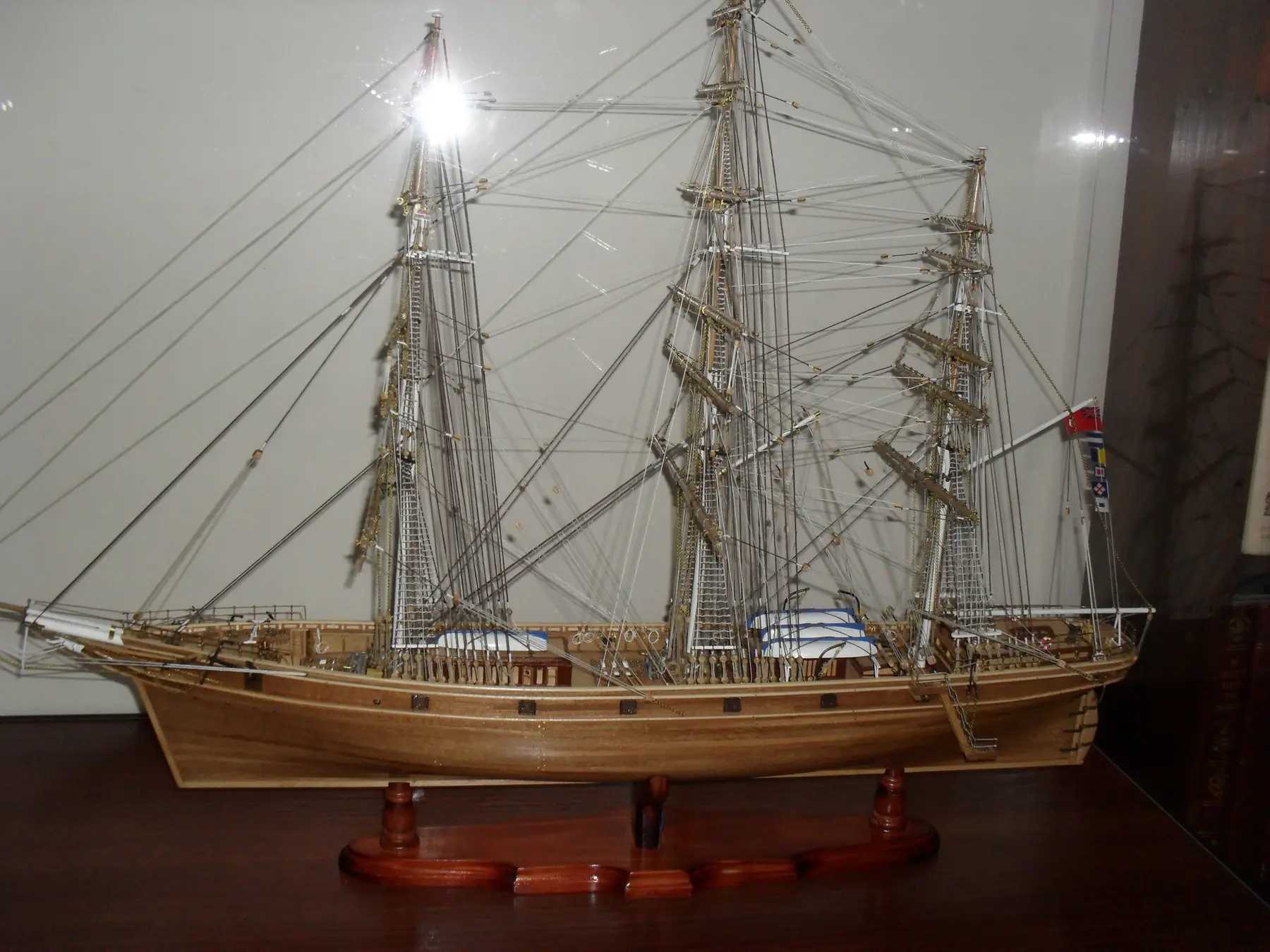
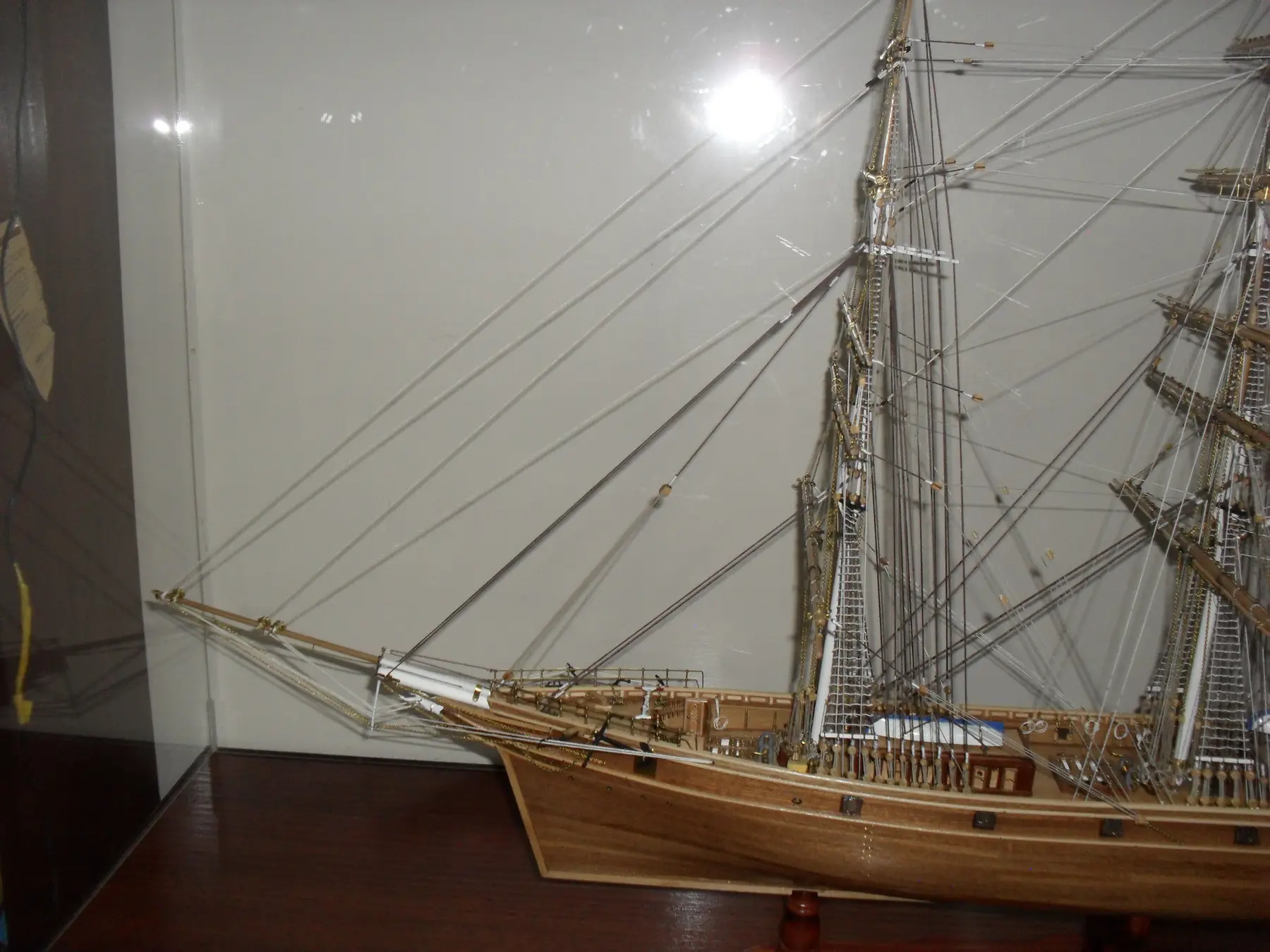
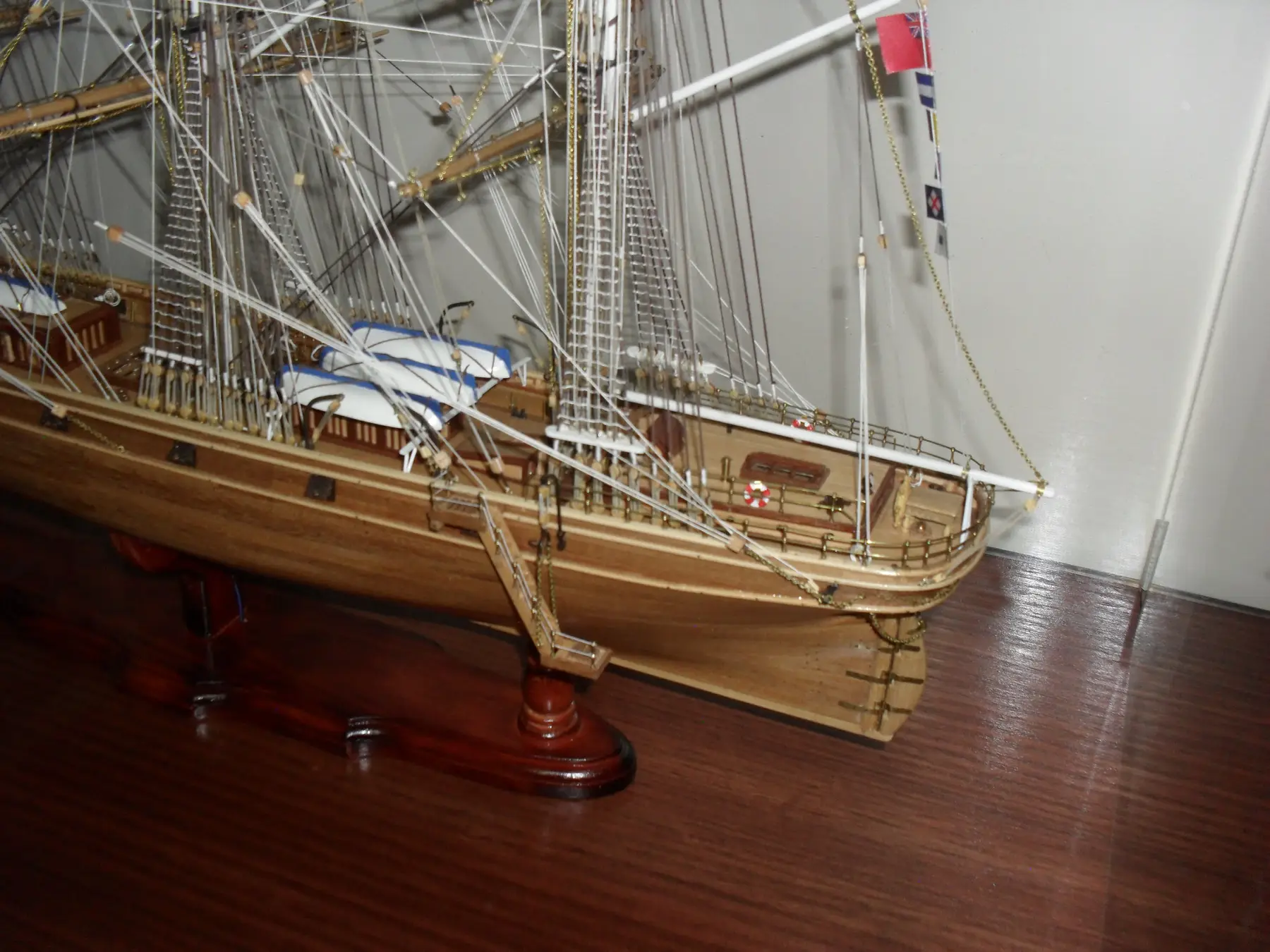
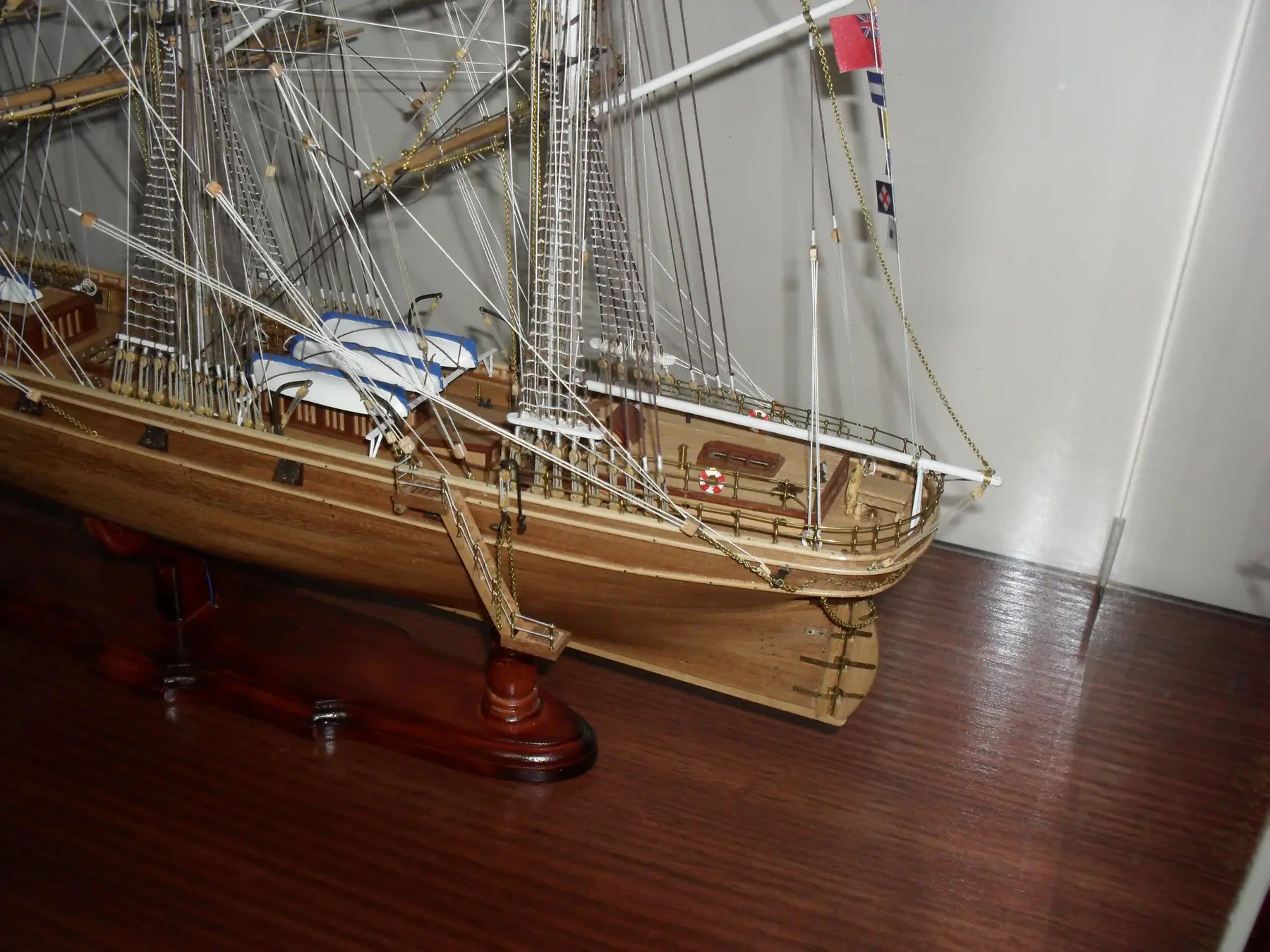
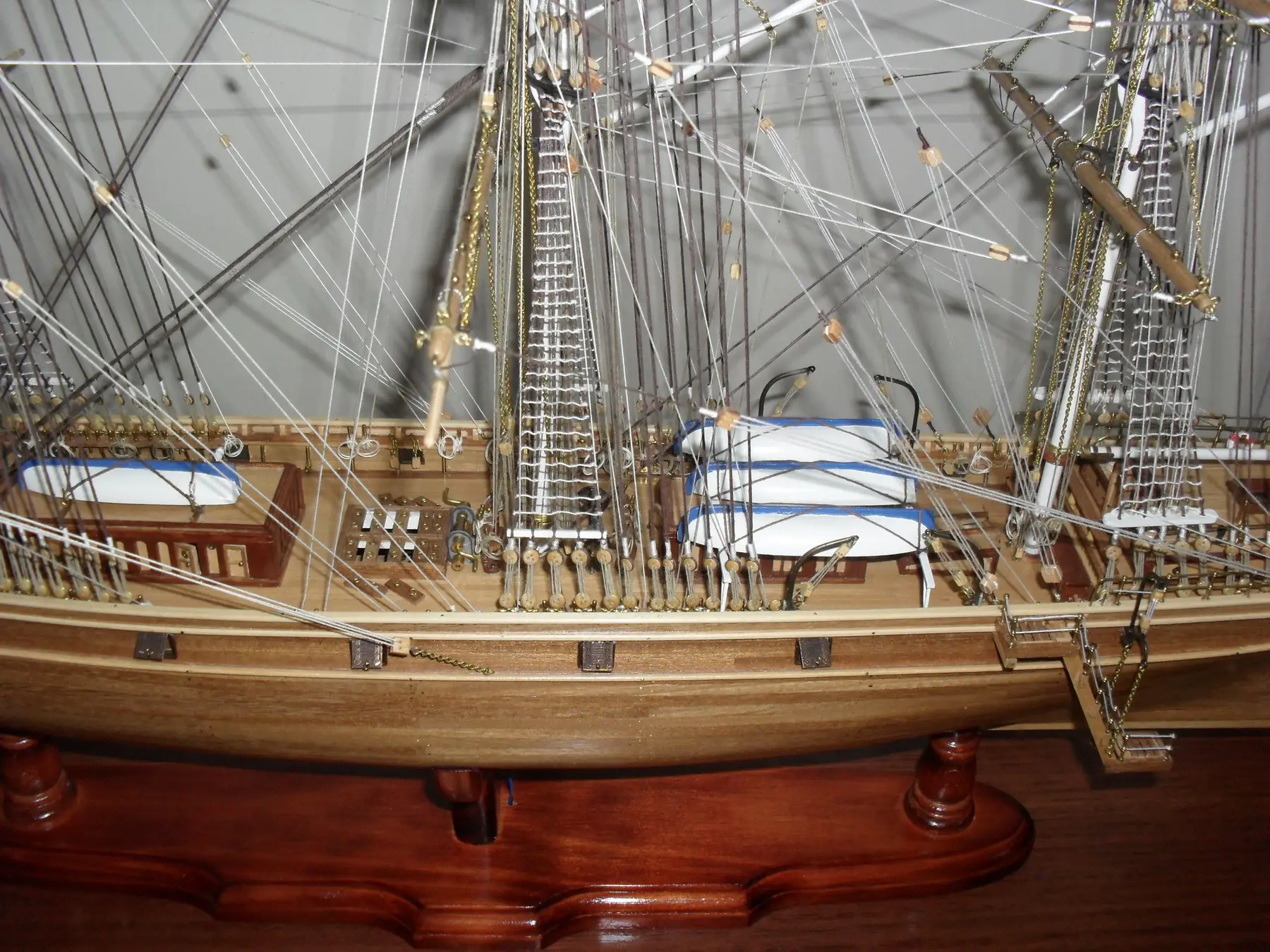
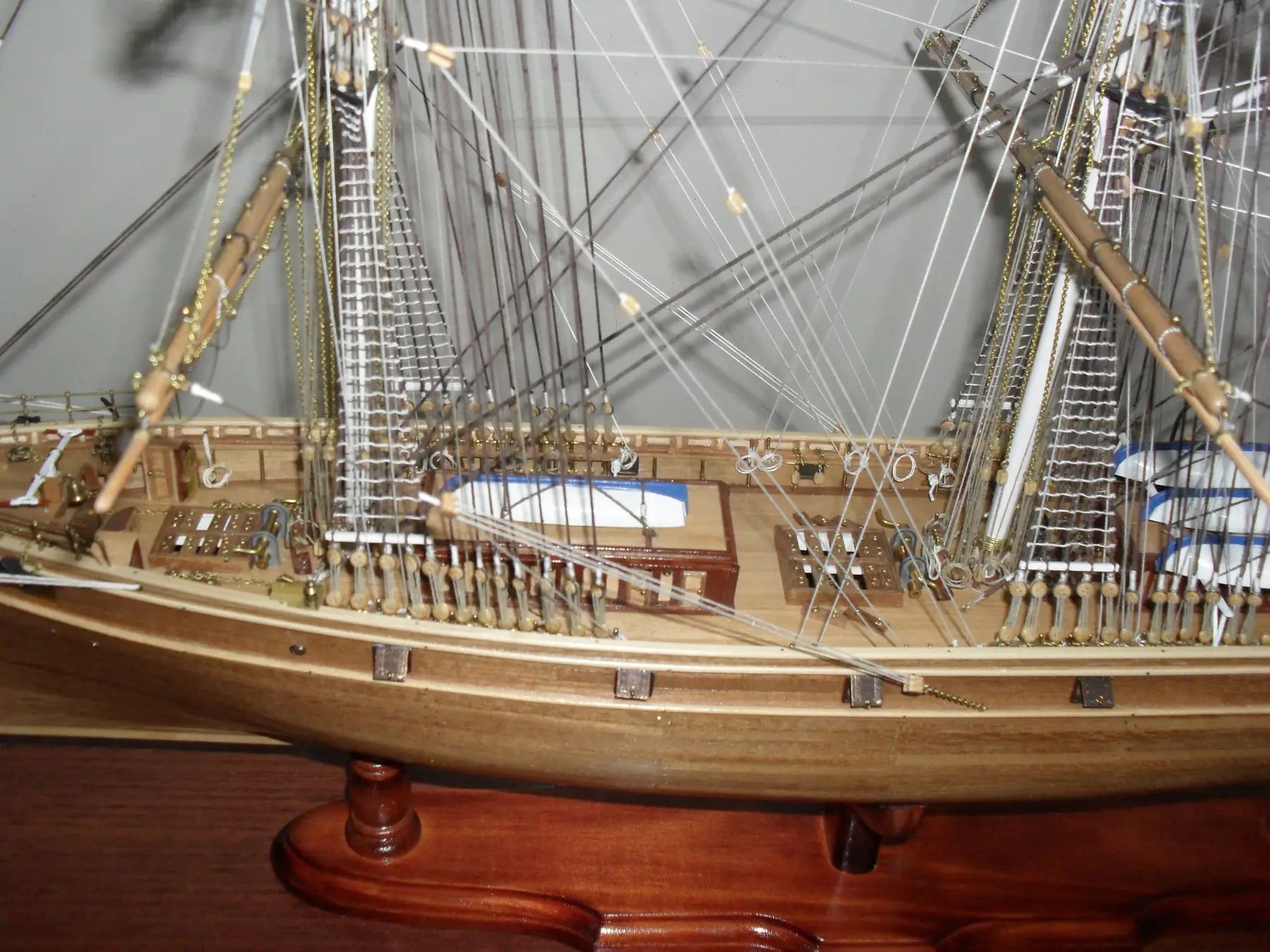
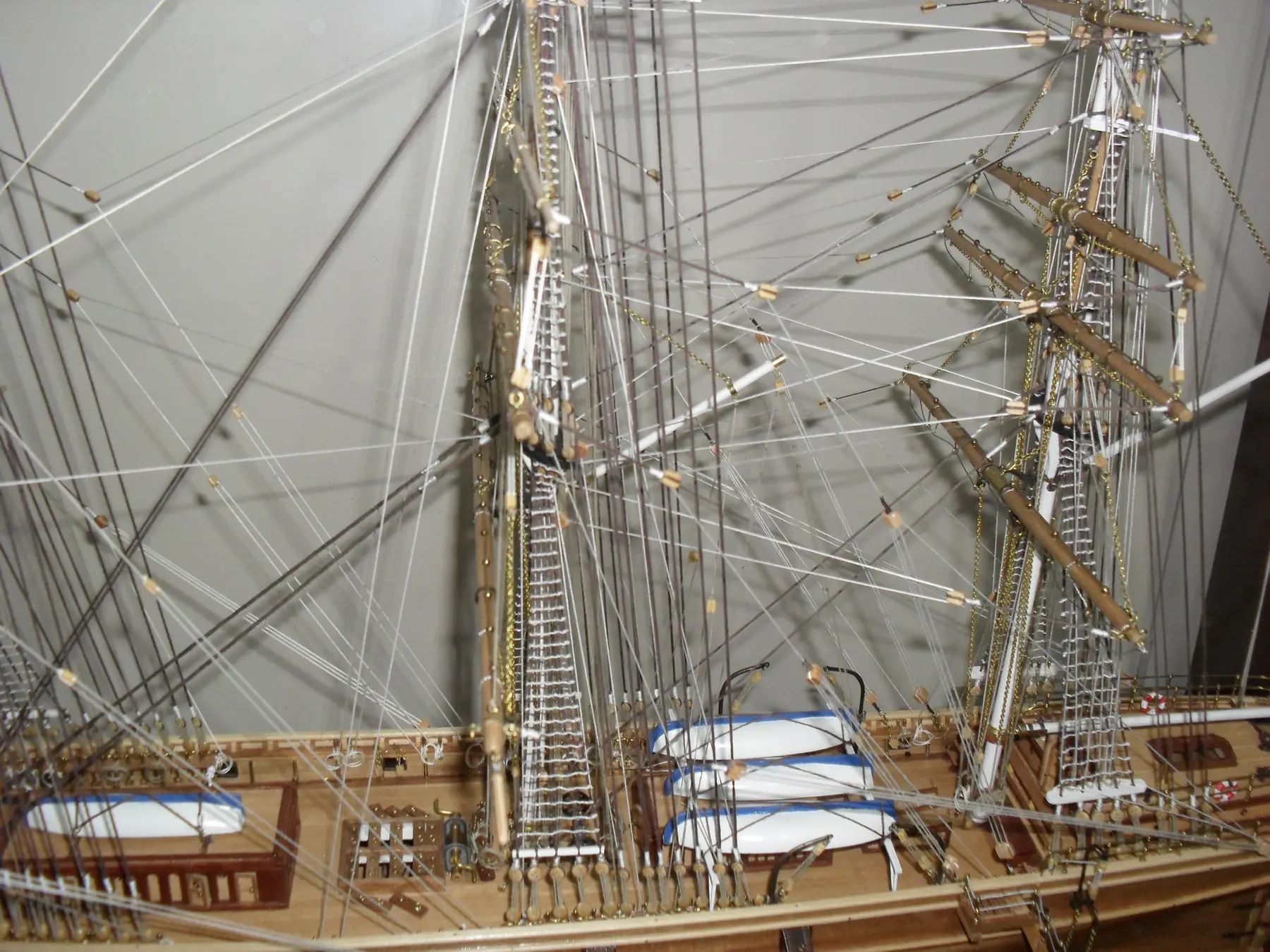
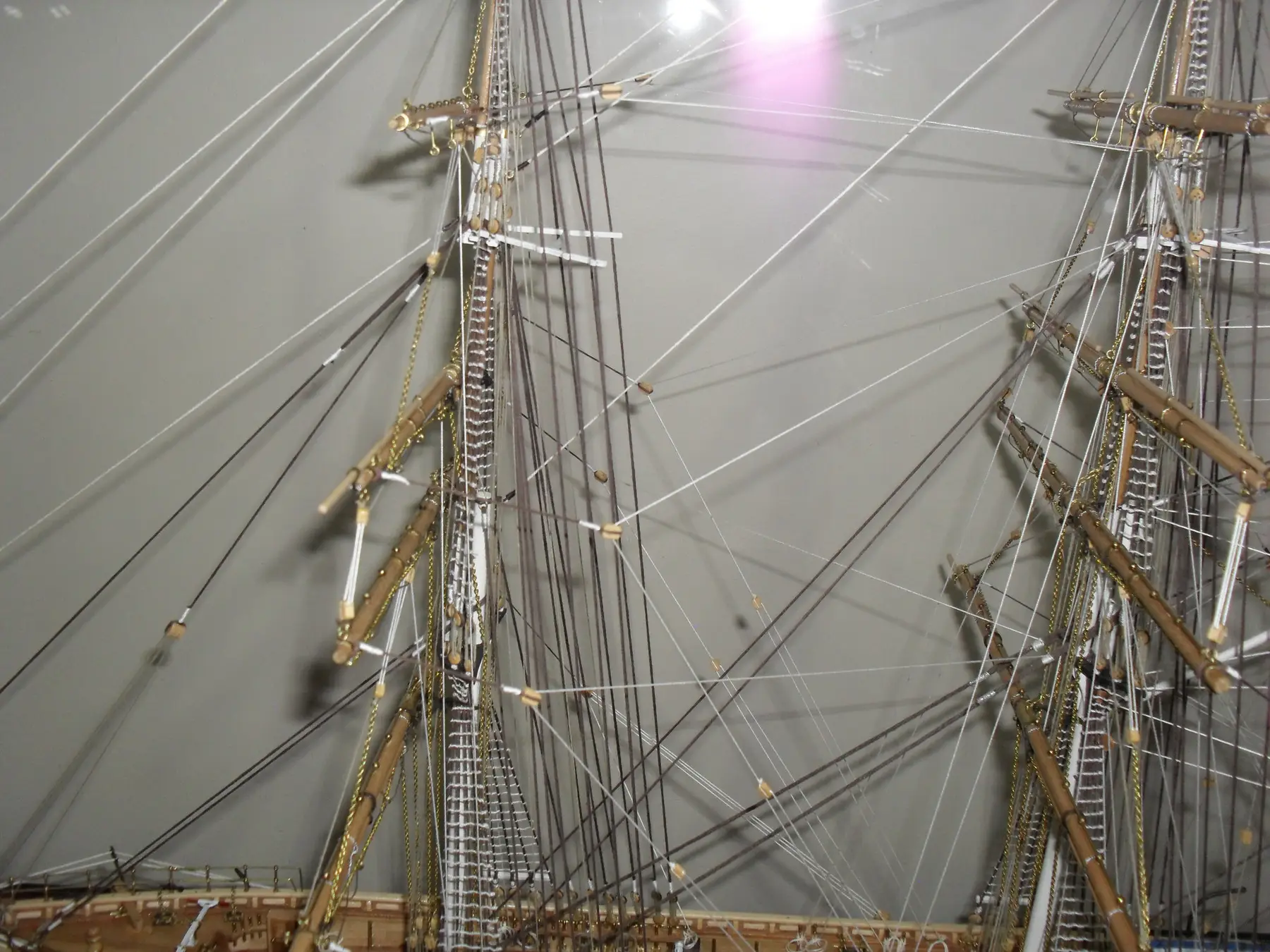
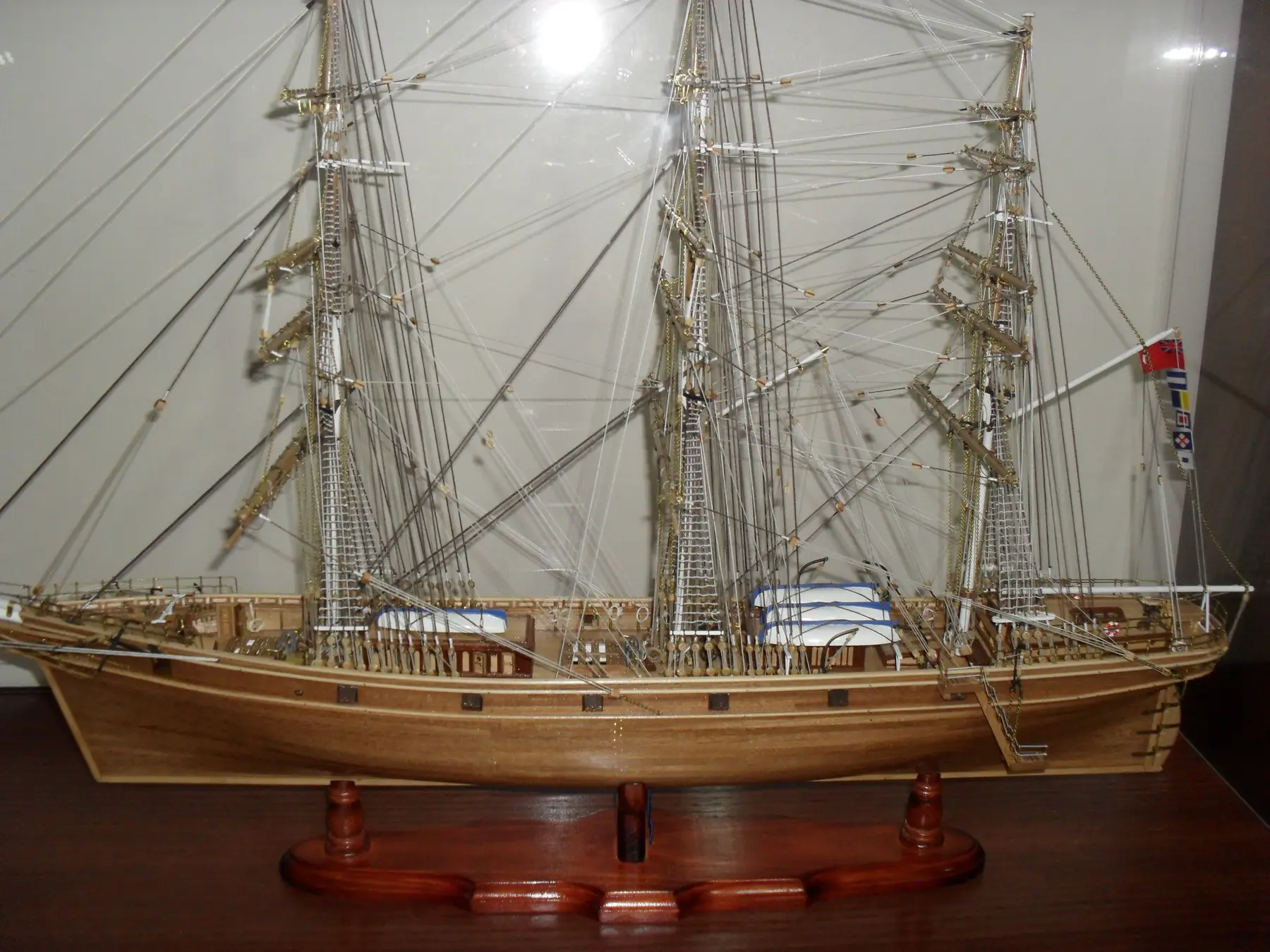
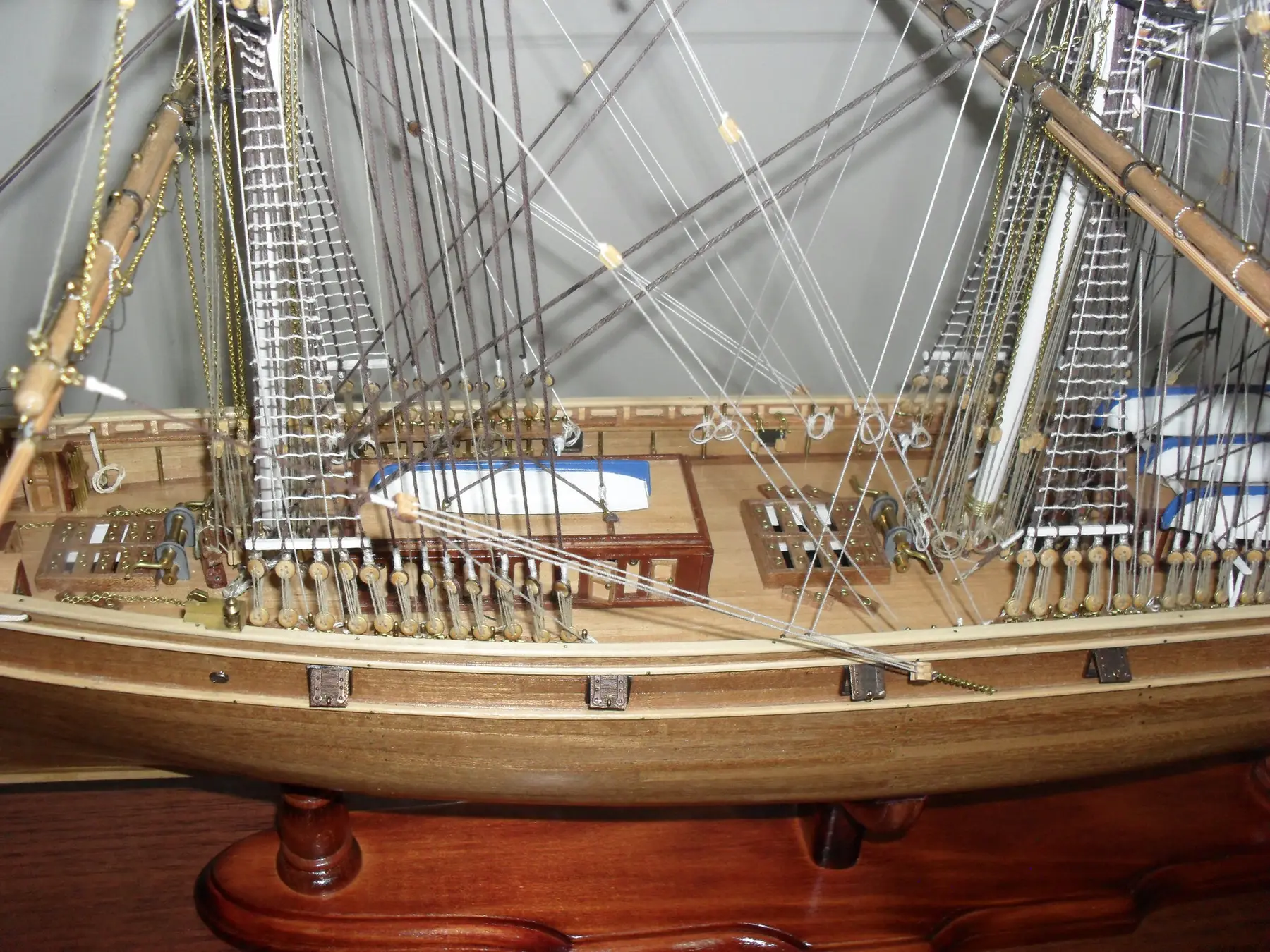
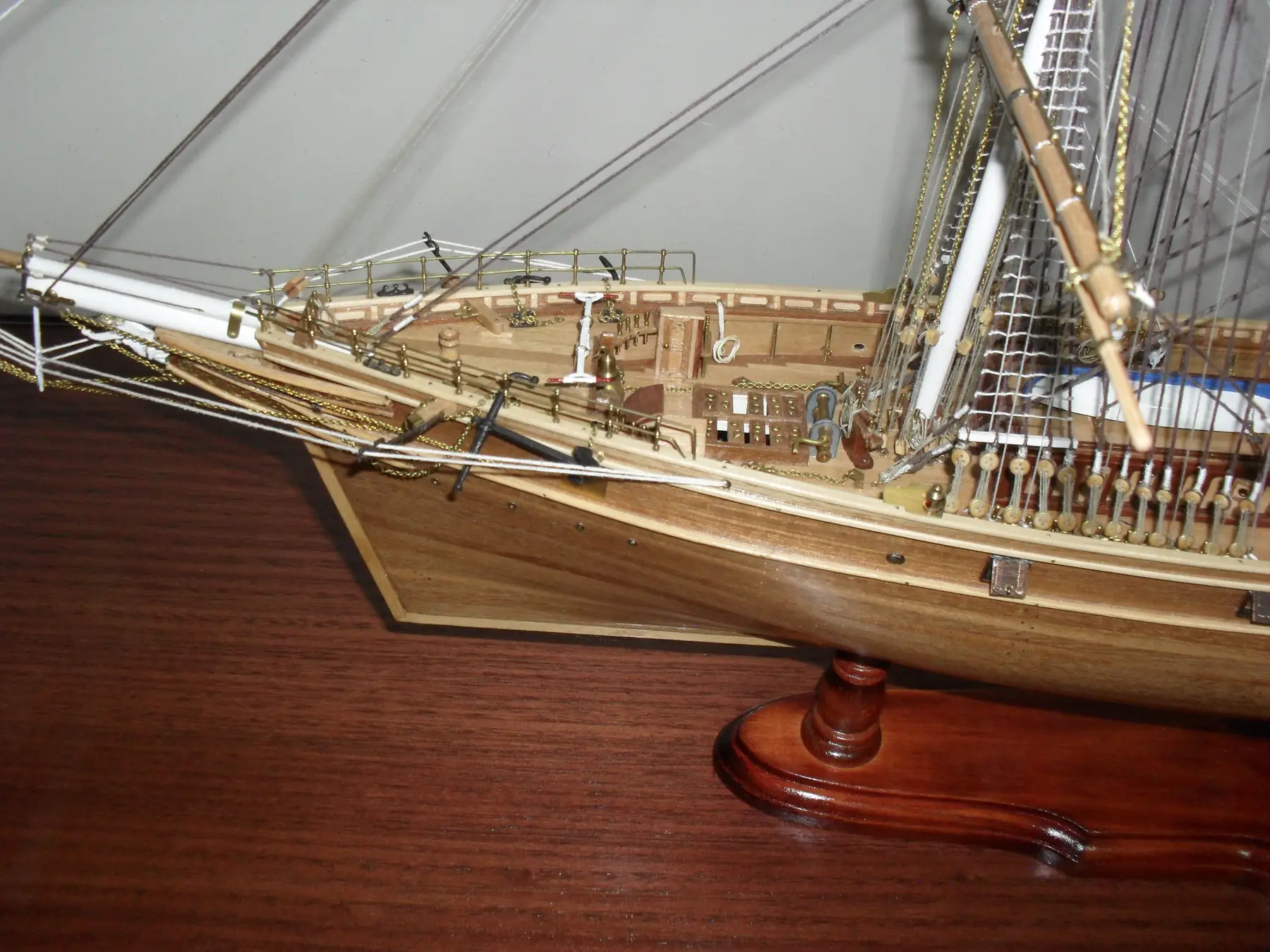
The Cutty Sark was a British clipper, a type of ship named for its speed. She was 64.77 m long and 10.97 m wide, with a gross register tonnage of 963. She was built in 1869 on the River Clyde in Scotland for the shipowner John “Jock” Willis. Her main trade was carrying tea from China to Britain, and later wool from Australia.
The opening of the Suez Canal in 1869 gave steamships a much shorter route to China, and as the tea trade declined she turned to carrying wool from Australia. Steamships eventually took that trade too. In 1895 she was sold to the Portuguese firm Ferreira and Co. and worked as a cargo ship until 1922. That year the retired sea captain Wilfred Dowman bought her and used her as a training ship at Falmouth in Cornwall. After his death she was given to the Thames Nautical Training College at Greenhithe in 1938, where she served as a cadet training ship until 1954. She has since been preserved in dry dock at Greenwich, London.
Speed
Her top speed was about 17.5 knots. Her best recorded day’s run was 363 nautical miles in 24 hours, an average of about 15 knots. That beat the 358 miles of her great rival, the Thermopylae. On one voyage she carried wool from Newcastle, New South Wales, to England in just 69 days.
On the way out to Australia she sailed by the Cape of Good Hope, and she came home by Cape Horn, riding the westerly winds both ways. Clippers like her stayed profitable until the end of the nineteenth century, because steamships of the time could not carry enough coal for such long voyages.
About the models
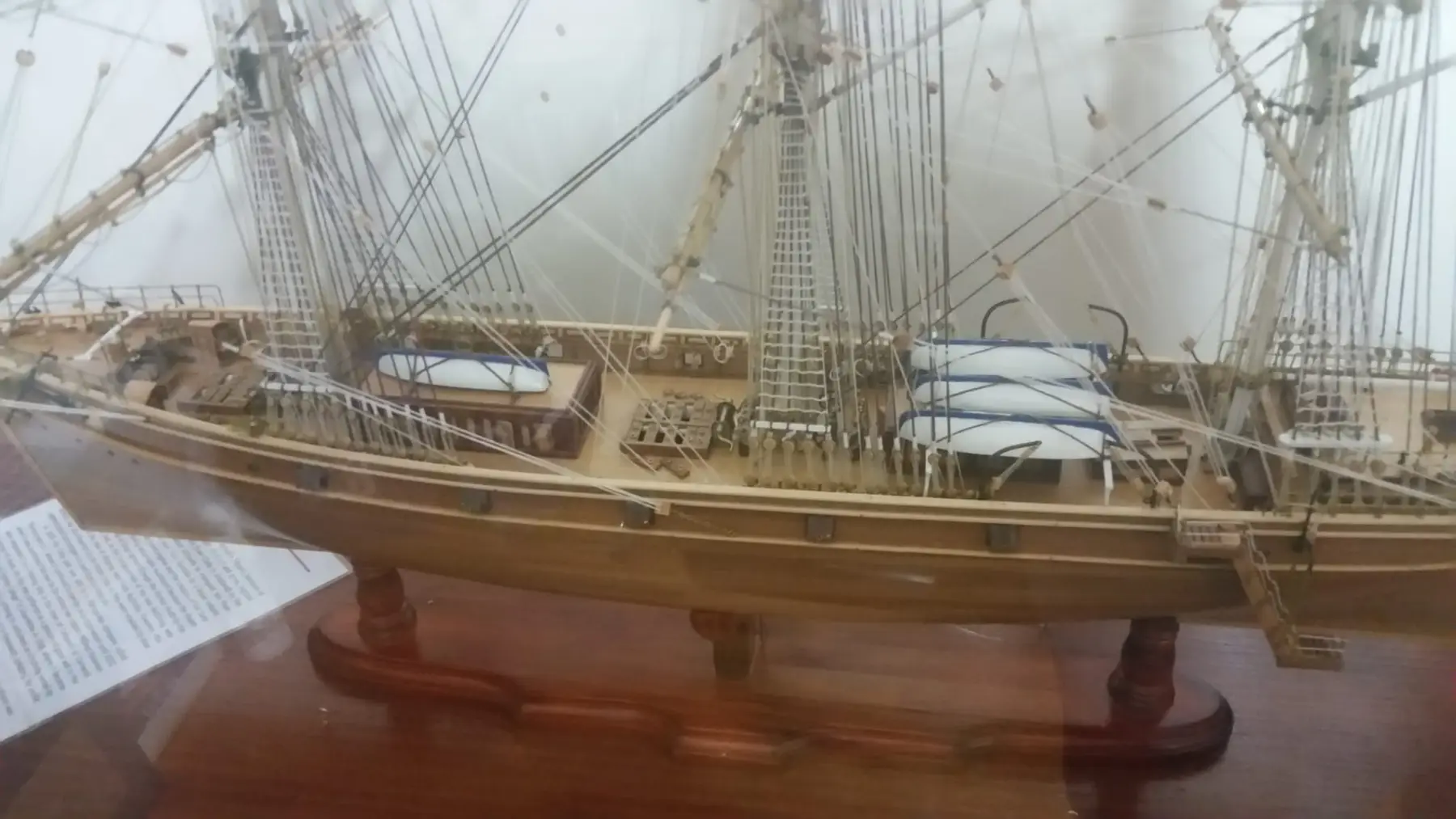
Denis has built two Cutty Sarks.
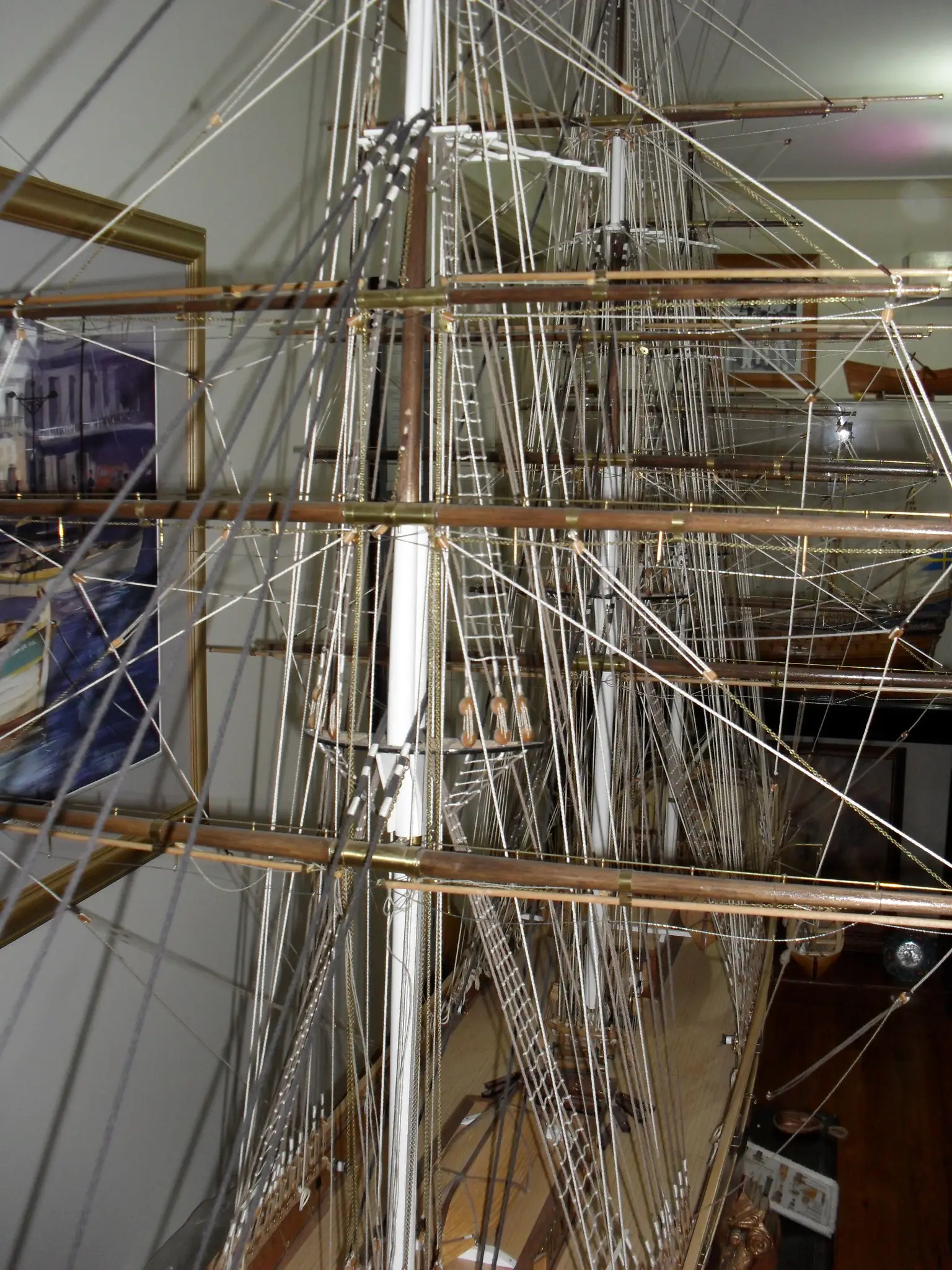
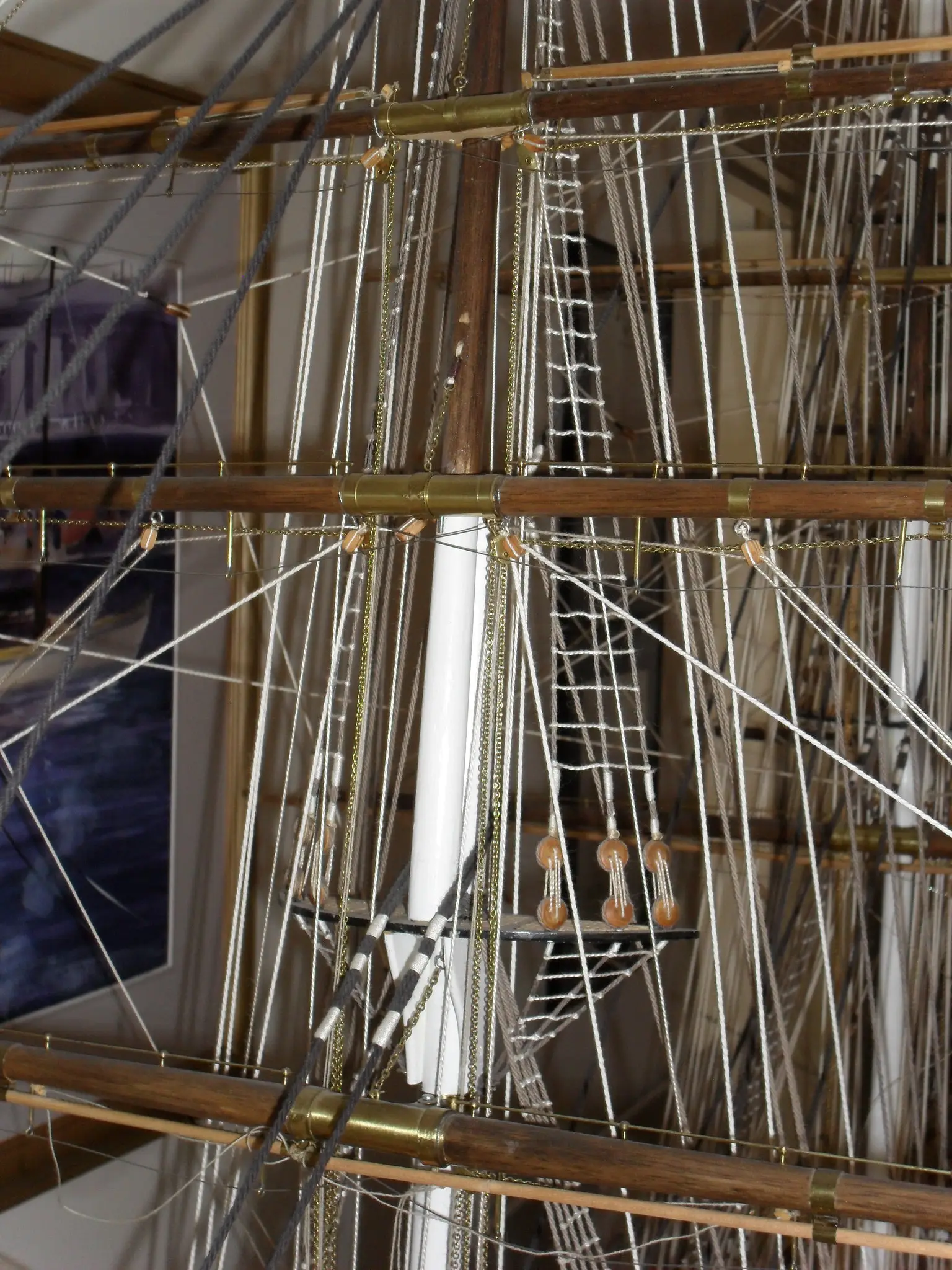
The large model, built around 1997 at 1:25 scale in mahogany, is the largest vessel in his collection. It is about 2.6 metres long. He started from a basic kit and added a large number of brass and mahogany parts that he designed and made himself, with help from his family. It was shown at Parliament House, Victoria (18–28 March 2002) and Melbourne Town Hall (2004), and it is recorded in the Plutarch Project collection on Victorian Collections.
The smaller model is built at 1:84 scale.